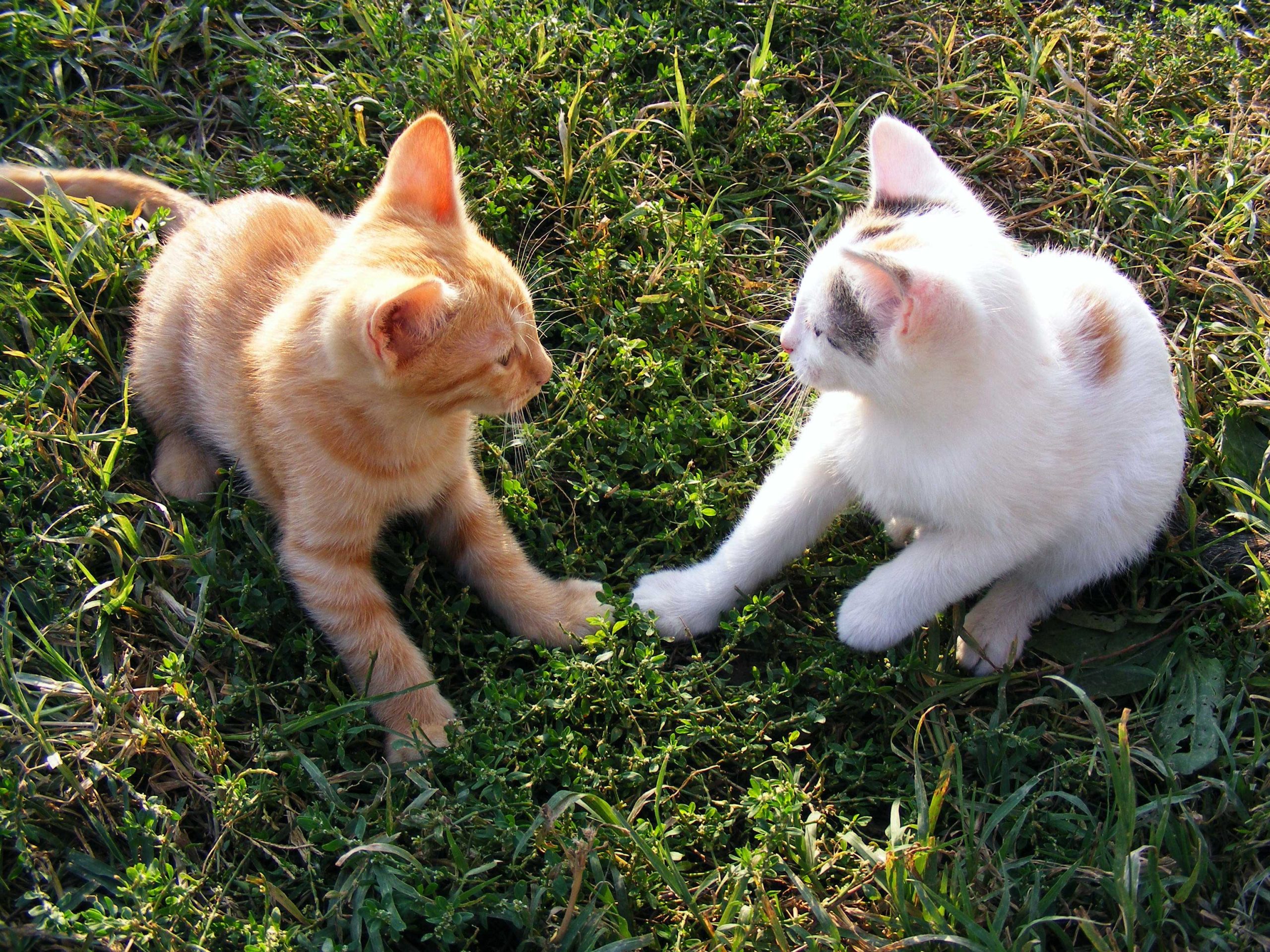
Cats bring joy and companionship to many households, but ensuring their health and well-being involves more than just love and care. One critical aspect of feline health management is understanding the importance of vaccinations, particularly the leukemia vaccine. Feline leukemia virus (FeLV) is a leading cause of illness and death in domestic cats, which makes it essential for cat owners to be informed about how to protect their feline friends from this serious disease.
What is Feline Leukemia Virus (FeLV)?
Feline leukemia virus is a contagious viral infection that affects cats worldwide. It compromises a cat’s immune system, making them more susceptible to infections and certain types of cancer. Cats can contract FeLV through close contact with infected cats, often through grooming, sharing food and water bowls, or bites. It is important to understand that while some cats can live for years with the virus without showing any symptoms, the progression of FeLV can lead to severe health complications.
The Importance of the Leukemia Vaccine
Vaccination is a powerful tool in the fight against FeLV. The cat feline leukemia vaccine is designed to protect against this virus and is highly recommended for cats at risk of exposure. Here are some key benefits of the FeLV vaccine:
- Prevents the transmission of FeLV among cats.
- Reduces the risk of developing FeLV-related illnesses.
- Enhances the overall health and longevity of cats.
- Provides peace of mind for pet owners knowing their feline friend is protected.
Who Should Receive the Vaccine?
Deciding whether to vaccinate a cat against FeLV depends on several factors, including the cat’s lifestyle and risk of exposure. The vaccine is particularly recommended for:
- Kittens, as they are more susceptible to FeLV infection.
- Cats living in multi-cat households.
- Outdoor cats or those with outdoor access.
- Cats in contact with other cats of unknown FeLV status.
Even indoor cats can be at risk if they escape outside or come into contact with an infected cat. Consulting with a veterinarian can help in assessing the level of risk and deciding on the best vaccination strategy.
Understanding the Vaccination Schedule
The FeLV vaccination typically follows a specific schedule to ensure optimal protection. Generally, the initial vaccine is given when the kitten is around 8 to 12 weeks of age, followed by a booster 3 to 4 weeks later. After the initial series, annual boosters are recommended for continued protection. It is crucial to adhere to the vaccination schedule as advised by a veterinary professional to maintain immunity.
Potential Side Effects and Considerations
Like any medical intervention, the FeLV vaccine can have side effects. However, these are usually mild and resolve on their own. Common side effects include:
- Temporary soreness at the injection site.
- Mild fever or lethargy.
- Decreased appetite for a short period.
Serious side effects are rare but should be reported to a veterinarian immediately if they occur. It is always important to discuss any concerns with a veterinarian before vaccinating and to ensure that the cat is healthy at the time of vaccination to minimize risks.
Conclusion
The feline leukemia vaccine plays a crucial role in protecting cats from a potentially life-threatening virus. By understanding the risks associated with FeLV and the benefits of vaccination, cat owners can make informed decisions to safeguard their beloved pets. Regular veterinary check-ups and adherence to vaccination schedules are key components of responsible pet ownership, ensuring that feline companions remain healthy and happy for years to come.