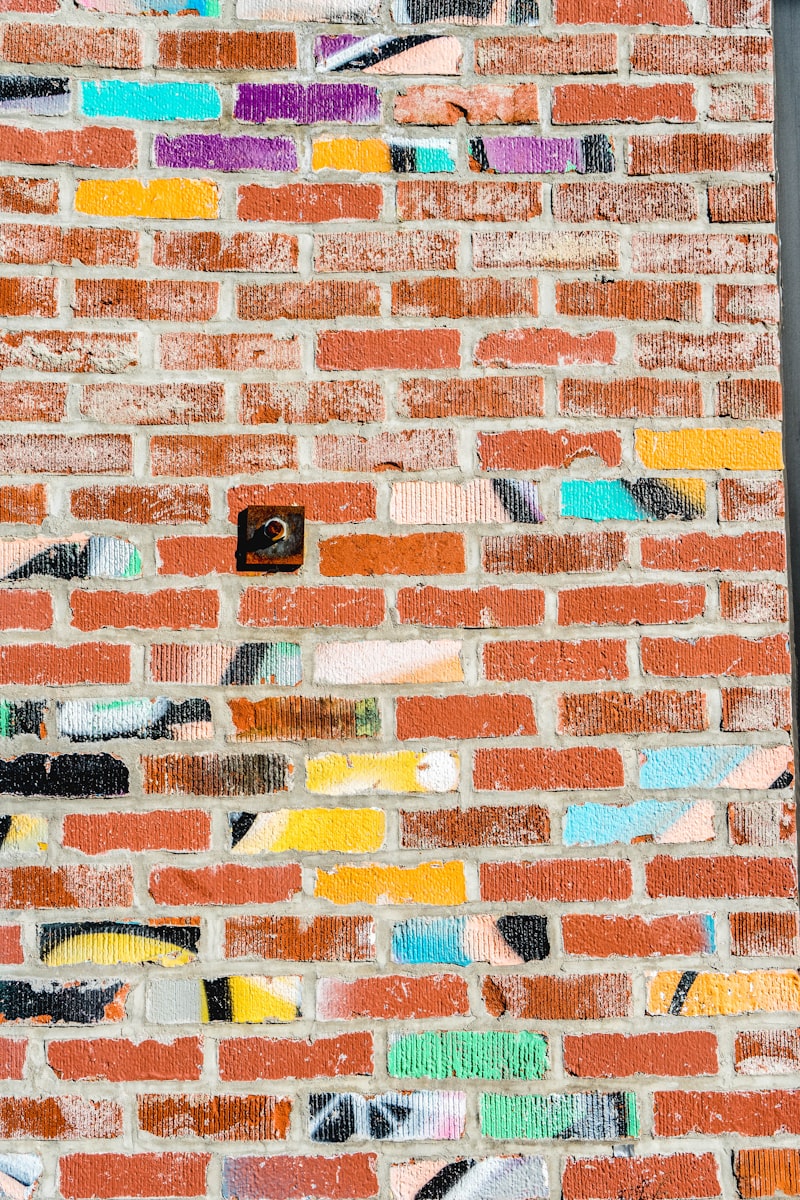
Graffiti can be a persistent issue for building owners, posing challenges for maintaining the aesthetic appeal and value of the property. While some graffiti is considered art, unwanted and unauthorized markings can tarnish a building’s appearance and deter potential clients or tenants. It’s crucial for building managers to adopt effective strategies to keep their properties graffiti-free. This article explores various methods and tips to prevent graffiti, offering valuable insights for maintaining your building’s pristine condition.
Understanding the Impact of Graffiti
Before delving into prevention techniques, it’s important to understand why graffiti can be problematic:
- Decreases property value: Graffiti often results in lower property valuations, as it gives the impression of neglect.
- Discourages customers and tenants: A building marred by graffiti may push away potential clients or tenants, impacting business operations.
- Increases maintenance costs: Regular cleaning and repainting to remove graffiti can lead to significant expenses over time.
Preventative Measures to Deter Graffiti
Implementing Surveillance Systems
Installing security cameras can be a powerful deterrent against graffiti. Visible cameras send a signal to potential graffiti artists that they are being watched, reducing the likelihood of vandalism. Moreover, captured footage can be invaluable for law enforcement in identifying and prosecuting offenders. Find out more about this approach.
Enhancing Lighting
Bright lighting around your building’s perimeter makes it harder for vandals to operate unseen. Motion-activated lights can startle potential graffiti artists, while continuous lighting provides a constant deterrent. Both options are effective in maintaining visibility and discouraging unwanted activity. Explore advanced guides and tips.
Applying Anti-Graffiti Coatings
Anti-graffiti coatings are a practical solution for protecting surfaces from defacement. These coatings create a barrier that makes it easier to clean graffiti without damaging the underlying surface. There are two main types:
- Sacrificial coatings: These coatings are removed along with the graffiti and need to be reapplied.
- Non-sacrificial coatings: These are more durable and allow for repeated cleaning without reapplication.
Learn about our tailored solutions.
Community Engagement and Involvement
Engaging the local community can significantly contribute to reducing graffiti. Encouraging local artists to create murals can transform potential targets into respected art spaces, deterring unwanted graffiti. Additionally, collaborating with neighborhood watch groups to monitor and report suspicious activities can help maintain the area’s appearance. Discover expert strategies here.
Prompt Removal of Graffiti
One of the most effective deterrents is the quick removal of graffiti. Rapid response demonstrates that vandalism will not be tolerated and that efforts to deface the property are futile. This discourages repeat offenses and helps maintain the building’s image. Professional services can assist in the swift removal of graffiti, ensuring that your property remains graffiti-free. Explore advanced guides and tips.
Conclusion
Keeping a building free from graffiti requires a proactive and comprehensive approach. By understanding the impact of graffiti and employing strategic prevention methods, building owners can protect their properties from vandalism. A combination of surveillance, lighting, anti-graffiti coatings, community involvement, and prompt removal can significantly reduce the likelihood of graffiti occurrences. For further insights and tailored solutions, visit this resource.