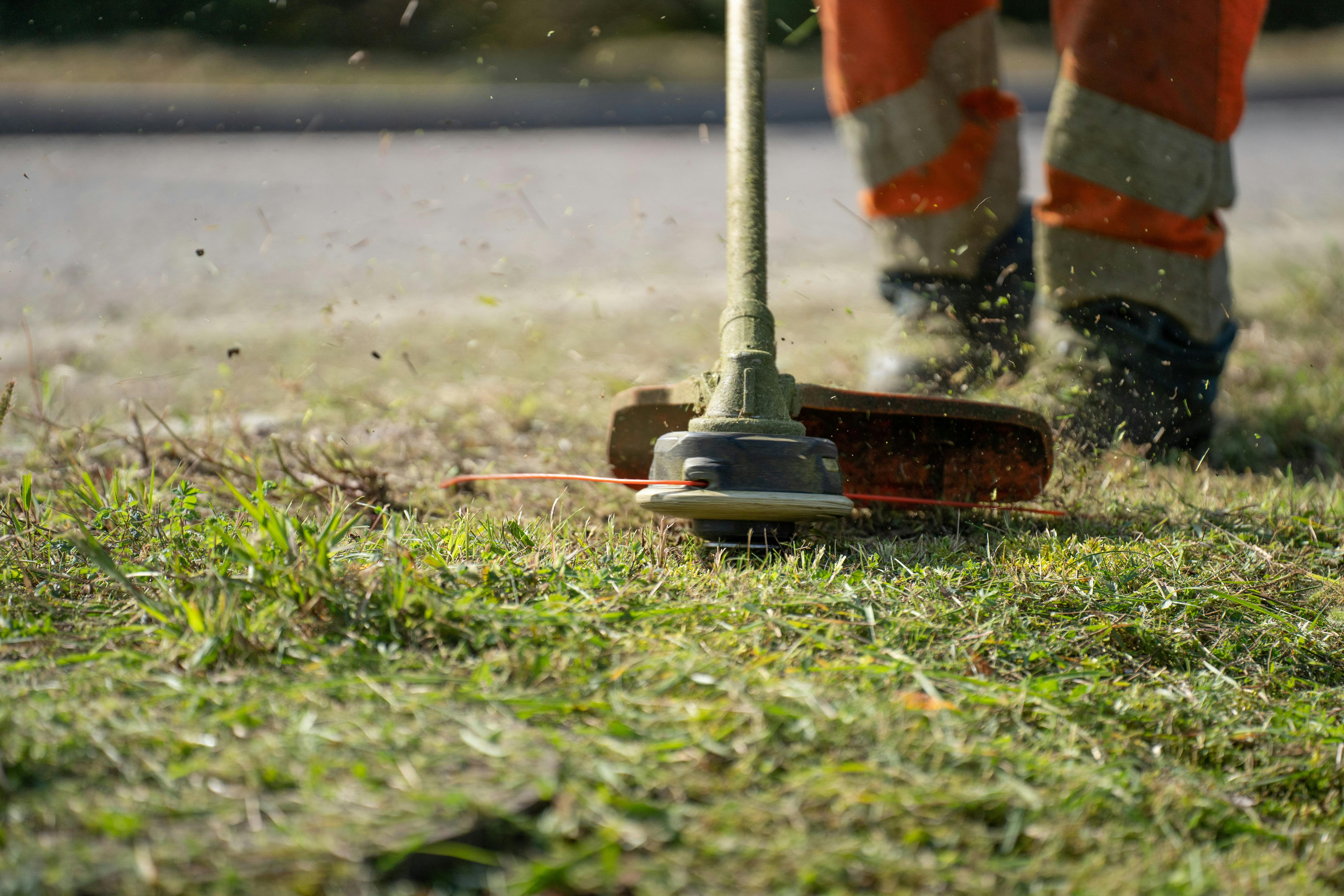
Maintaining a garden that thrives throughout the seasons requires more than occasional watering and occasional weeding. A well-planned maintenance routine ensures that plants stay healthy, soil structure remains optimal, and the overall landscape continues to enhance the aesthetic value of a home. By understanding the essential tasks, timing, and best practices, homeowners can create a resilient garden that not only looks beautiful but also supports local biodiversity and reduces long-term upkeep costs.
Key Components of Effective Garden Maintenance
Soil Health Management
Healthy soil is the foundation of any thriving garden. Regular assessment and amendment of soil can prevent nutrient deficiencies and improve water retention.
- Conduct a soil test annually to determine pH and nutrient levels.
- Incorporate organic matter such as compost or well-rotted manure to enhance structure.
- Apply mulch to regulate temperature, suppress weeds, and retain moisture.
- Consider cover crops during off-season periods to prevent erosion and add nitrogen.
For a deeper dive into soil management techniques, Read more about this topic.
Watering Strategies
Efficient irrigation conserves water and promotes healthy root development. Tailor watering schedules to plant species, climate, and soil type.
- Water early in the morning to reduce evaporation.
- Use drip irrigation or soaker hoses for targeted delivery.
- Adjust frequency based on seasonal rainfall patterns.
- Install rain sensors or timers to automate watering cycles.
Additional guidance on sustainable watering can be found in this resource: Learn more in this detailed guide.
Pruning and Trimming
Regular pruning removes dead or diseased wood, encourages airflow, and shapes plants for optimal growth.
- Prune flowering shrubs after bloom to stimulate next season’s flowers.
- Thin out dense canopies to improve light penetration.
- Remove crossing branches to prevent wounds and disease entry.
- Use clean, sharp tools to make clean cuts and reduce stress on plants.
For step-by-step pruning techniques, Explore further insights here.
Seasonal Maintenance Checklist
Spring
- Clear winter debris and dead foliage.
- Apply a balanced fertilizer as growth resumes.
- Divide overcrowded perennials and replant.
- Inspect irrigation systems for leaks before the heat arrives.
Summer
- Increase mulch depth to retain soil moisture.
- Monitor for pests and treat promptly using integrated pest management.
- Deadhead spent blooms to encourage continuous flowering.
- Provide supplemental watering during drought periods.
Autumn
- Plant cover crops or green manure to enrich soil over winter.
- Collect fallen leaves for composting.
- Reduce fertilizer applications to prevent excessive winter growth.
- Prepare irrigation timers for reduced usage.
Winter
- Protect vulnerable plants with frost cloths or windbreaks.
- Prune deciduous trees during dormancy.
- Maintain pathways and garden structures to prevent slip hazards.
- Plan next year’s garden layout and order seeds.
Comprehensive seasonal guidelines are available at Find additional information here.
Integrated Pest Management (IPM)
IPM combines cultural, biological, and chemical strategies to keep pest populations below damaging levels while minimizing environmental impact.
- Encourage beneficial insects such as ladybugs and lacewings.
- Rotate crops and change planting locations to disrupt pest cycles.
- Use physical barriers like netting or row covers when necessary.
- Apply targeted, low-toxicity treatments only after confirming pest identification.
Further details on IPM practices can be accessed by Read more about this topic.
Professional vs. DIY Maintenance
Deciding whether to handle garden tasks personally or to enlist professional assistance depends on several factors, including time availability, expertise, and the complexity of the landscape.
- Time constraints: Regular upkeep may be challenging for busy households.
- Skill level: Advanced pruning, soil amendment, and pest diagnostics often require specialized knowledge.
- Equipment needs: Professional services have access to tools such as power pruners, aerators, and irrigation specialists.
- Cost considerations: While DIY can reduce immediate expenses, improper care may lead to higher long-term costs.
For a balanced perspective on choosing the right approach, Explore further insights here.
Conclusion
Achieving a thriving home landscape is a continuous process that blends scientific understanding with consistent effort. By focusing on soil health, efficient watering, proper pruning, seasonal tasks, and integrated pest management, homeowners can maintain vibrant gardens that enhance property value and provide lasting enjoyment. Regular assessment and adaptation of maintenance practices, supported by reliable resources, ensure that the garden remains resilient against changing climate conditions and evolving horticultural challenges.