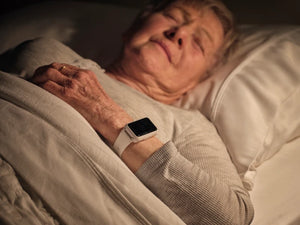
Choosing a reliable medical alert watch with fall detection can dramatically improve the safety and independence of older adults. With a growing market of devices, it is essential to understand the key features, technology, and practical considerations that differentiate one model from another. This guide outlines the most important factors to evaluate, helping caregivers and seniors make an informed decision that aligns with health needs, lifestyle preferences, and budget constraints.
Core Features to Evaluate
Automatic Fall Detection
Modern devices use accelerometers, gyroscopes, and sometimes barometric pressure sensors to recognize the rapid movement and impact associated with a fall. Look for models that:
- Detect falls in multiple orientations (forward, backward, sideways).
- Distinguish between a genuine fall and everyday activities such as sitting quickly.
- Provide a brief “cancel” window, allowing the wearer to dismiss a false alarm.
Two-Way Communication
After a fall is detected, the watch should instantly connect the wearer with emergency responders or designated contacts. Essential capabilities include:
- Clear, loud speaker and microphone for voice communication.
- Pre-programmed emergency numbers and the ability to add custom contacts.
- Cellular connectivity that works independently of a smartphone.
Battery Life and Power Management
Because seniors may forget to charge devices, long battery life is a critical factor. Consider watches that offer:
- At least 7-10 days of typical use on a single charge.
- Quick charging (full charge within an hour) or magnetic charging docks.
- Battery-low alerts that are audible and vibratory.
Choosing the Right Model
When narrowing down options, compare the following dimensions:
- Form factor: Some users prefer a classic watch look, while others favor a discreet pendant or bracelet style.
- Water resistance: A rating of 3 ATM or higher ensures the device can be worn while washing hands or showering.
- Additional health monitoring: Heart-rate, blood-oxygen, and activity tracking can add value for health-focused seniors.
- Subscription fees: Many devices require a monthly service plan for cellular coverage and monitoring. Review the cost structure before committing.
Real-World Performance
Independent testing and user reviews provide insight into how well a device works in everyday scenarios. Look for:
- Documented false-alarm rates.
- Response times from the monitoring center.
- Ease of use for individuals with limited dexterity or vision.
Top Considerations for Seniors
Beyond technical specifications, the device must fit comfortably into the senior’s lifestyle.
Ease of Use
- Large, high-contrast display with simple icons.
- One-button emergency activation.
- Voice prompts for navigation.
Comfort and Wearability
- Lightweight materials that do not irritate the skin.
- Adjustable straps that stay secure without being too tight.
- Designs that can be worn 24 hours a day without causing fatigue.
Integration with Existing Support Systems
Many families already use a elderly fall alert system at home. Selecting a watch that can share alerts with that system simplifies emergency management and reduces the chance of missed notifications.
Comparing Popular Options
Below is a concise comparison of three leading models, each representing a different balance of price, features, and design.
| Model | Key Features | Battery Life | Monthly Service Cost |
|---|---|---|---|
| Model A | Automatic fall detection, two-way voice, heart-rate monitor | 9 days | $29.99 |
| Model B | Fall detection watch for seniors, GPS location, waterproof to 5 ATM | 7 days | $24.99 |
| Model C | Medical alert watches with fall detection, blood-oxygen sensor, large display | 10 days | $34.99 |
Installation and Ongoing Maintenance
Setting up a new device is typically straightforward, but a few best practices ensure optimal performance:
- Register the watch with the provider’s online portal and verify emergency contacts.
- Test the fall-detection feature in a safe environment to confirm alerts are transmitted correctly.
- Schedule regular firmware updates; many manufacturers push improvements automatically.
Conclusion
Selecting the appropriate fall detection watch for seniors involves balancing technical reliability with user comfort and affordability. By focusing on automatic detection accuracy, communication capabilities, battery endurance, and seamless integration with existing home safety systems, families can provide seniors with a trustworthy safety net that promotes independence while delivering peace of mind.