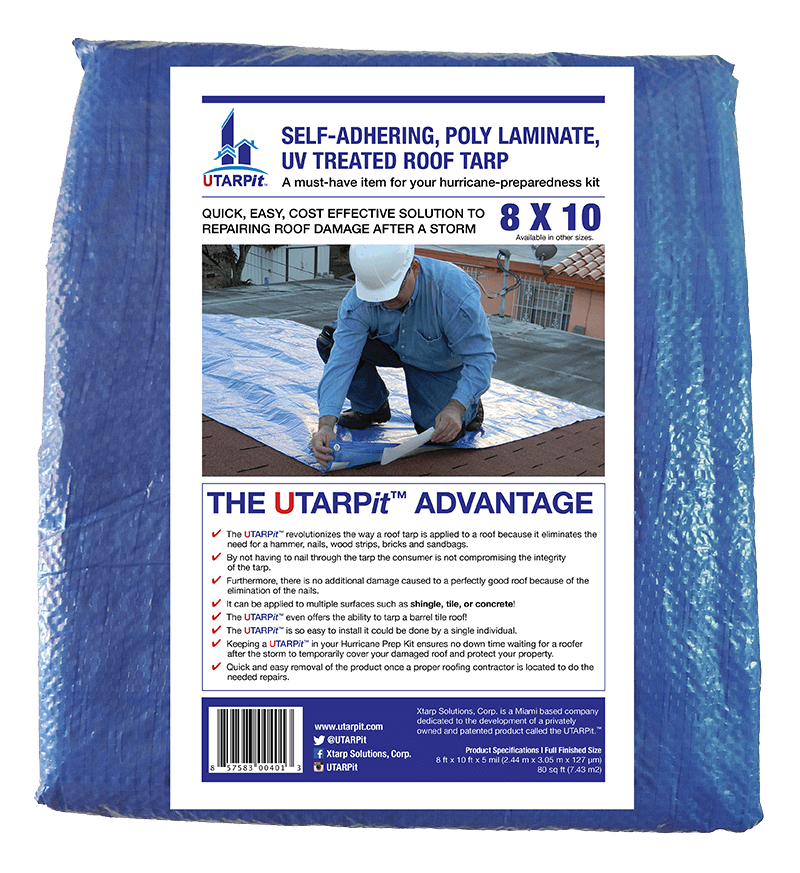
Roofing tarps are invaluable assets for homeowners and builders alike, providing a temporary solution to protect roofs from weather-related damage. Utilizing a roofing tarp can prevent minor issues from escalating into major problems, saving costs and preserving the structural integrity of a building. This guide delves into the benefits, installation process, and maintenance tips for using a roofing tarp effectively.
Benefits of Using a Roofing Tarp
Roofing tarps are more than just a stopgap measure; they offer several advantages that make them essential in certain situations.
- Weather Protection: Roofing tarps act as a shield against rain, snow, and wind, safeguarding the roof and interior spaces from potential water damage.
- Cost-Effective: Compared to immediate roof repair or replacement, using a tarp is a budget-friendly option that provides temporary relief until permanent solutions are feasible.
- Easy to Install: With the right tools and guidance, homeowners can quickly install a tarp without professional assistance.
- Versatile Use: Beyond roofing, tarps can cover other areas like damaged walls or windows, enhancing their utility during emergencies.
Installation Process
Preparation
Proper preparation is crucial for a successful tarp installation. Begin by assessing the damage to determine the tarp size required. Ensure all necessary tools, such as ladder, hammer, nails, and safety gear, are readily available.
Installation Steps
Follow these steps to install a roofing tarp effectively:
- Position the Tarp: Carefully lay the tarp over the affected area, ensuring it extends beyond the damaged section for maximum coverage.
- Secure the Edges: Use nails or screws to anchor the tarp’s edges firmly. This prevents the tarp from shifting, especially during high winds.
- Reinforce the Tarp: Add additional support using 2×4 lumber or other sturdy materials across the tarp’s length. This enhances stability and reduces the risk of tearing.
- Check for Gaps: Inspect the installation for any gaps or loose areas, adjusting as needed to ensure a tight seal.
Maintenance Tips
To ensure the longevity and effectiveness of a roofing tarp, regular maintenance is essential.
- Regular Inspections: Periodically check the tarp for signs of wear and tear. Address any issues promptly to maintain protection.
- Remove Debris: Clear leaves, branches, and other debris that may accumulate on the tarp, as these can cause damage or create unnecessary weight.
- Monitor Weather Conditions: Be aware of severe weather forecasts. Reinforce or adjust the tarp as necessary to withstand upcoming storms.
- Replace When Necessary: If the tarp shows significant damage or degradation, replace it promptly to ensure continuous protection.
Conclusion
Whether dealing with emergency repairs or seeking a temporary solution during renovations, roofing tarps are indispensable. By understanding their benefits, mastering the installation process, and adhering to maintenance best practices, homeowners can ensure their homes remain protected under all circumstances. For those interested in exploring options, the 8 ft x 10 ft blue roofing tarp is an excellent starting point to secure a home against the elements.