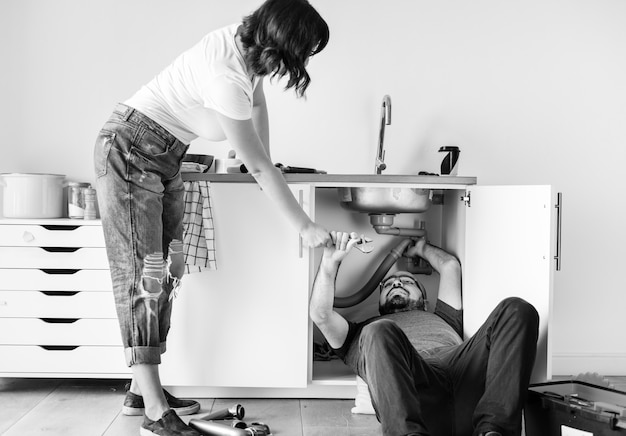
Water damage can be a devastating experience for any property owner. From leaky pipes and broken appliances to natural disasters causing floods, the aftermath can leave a significant mark on the structure and safety of a property. In New Jersey, where weather conditions can be unpredictable, having access to professional water damage repair services is crucial. Expert repair services not only help in restoring the property but also prevent further issues such as mold growth and structural deterioration. Understanding the complexities of water damage and the importance of timely intervention can save property owners from long-term consequences.
Understanding Water Damage and Its Impacts
Water damage is not just about visible water; it encompasses a range of problems that can affect a property. The damage can be categorized into three main types:
- Clean Water Damage: Caused by fresh water from sources like rain or leaky pipes. It’s the least harmful but requires prompt action.
- Grey Water Damage: Involves slightly contaminated water from appliances or clean toilets. This type requires more caution due to potential health risks.
- Black Water Damage: The most severe, involving highly contaminated water from sources like sewage, requiring immediate professional intervention.
Each type poses different challenges, and dealing with them requires specialized knowledge and equipment. Find out more about this approach to effectively manage these challenges.
Key Steps in Professional Water Damage Repair
Professional water damage repair services in NJ follow a comprehensive process to ensure effective restoration. The key steps include:
1. Initial Inspection and Assessment
The first step involves assessing the extent of the damage. This includes identifying the source of water, the type of water involved, and the extent of the area affected. A thorough inspection helps in formulating a targeted restoration plan. Explore advanced guides and tips for effective assessment techniques.
2. Water Extraction
Removing standing water swiftly is crucial to minimize further damage. High-powered pumps and vacuums are used to eliminate water from the premises. This step is pivotal in preventing secondary damage such as mold growth.
3. Drying and Dehumidification
After water extraction, the affected areas need to be thoroughly dried. Industrial-grade dehumidifiers and air movers are employed to eliminate moisture from walls, floors, and furniture. Learn about our tailored solutions for efficient drying and dehumidification methods.
4. Cleaning and Sanitizing
Cleaning is essential to remove any contaminants and prevent bacterial growth. Professional-grade cleaning agents are used to sanitize the area, ensuring it’s safe for occupancy. This process also includes odor removal.
5. Restoration and Repairs
The final step involves restoring the property to its pre-damage condition. This may include minor repairs like drywall replacement and carpet cleaning, or major repairs like reconstructing entire rooms. Discover expert strategies here for comprehensive restoration.
Preventive Measures and Tips
While professional services are crucial for repair, preventive measures can significantly reduce the risk of water damage:
- Regularly inspect and maintain plumbing systems to detect leaks early.
- Install water leak detectors in vulnerable areas such as basements and bathrooms.
- Ensure proper drainage around the property to prevent water accumulation.
- Invest in a sump pump, especially in flood-prone areas.
Implementing these preventive strategies can safeguard properties from severe water damage. Explore advanced guides and tips to enhance your preventive measures.
In conclusion, water damage repair is a complex task that requires professional expertise. By understanding the types of water damage, following a structured repair process, and implementing preventive measures, property owners can effectively manage and mitigate the impacts of water damage. For those in New Jersey, accessing comprehensive water damage repair services is not just advisable but essential for maintaining the integrity and safety of their properties.