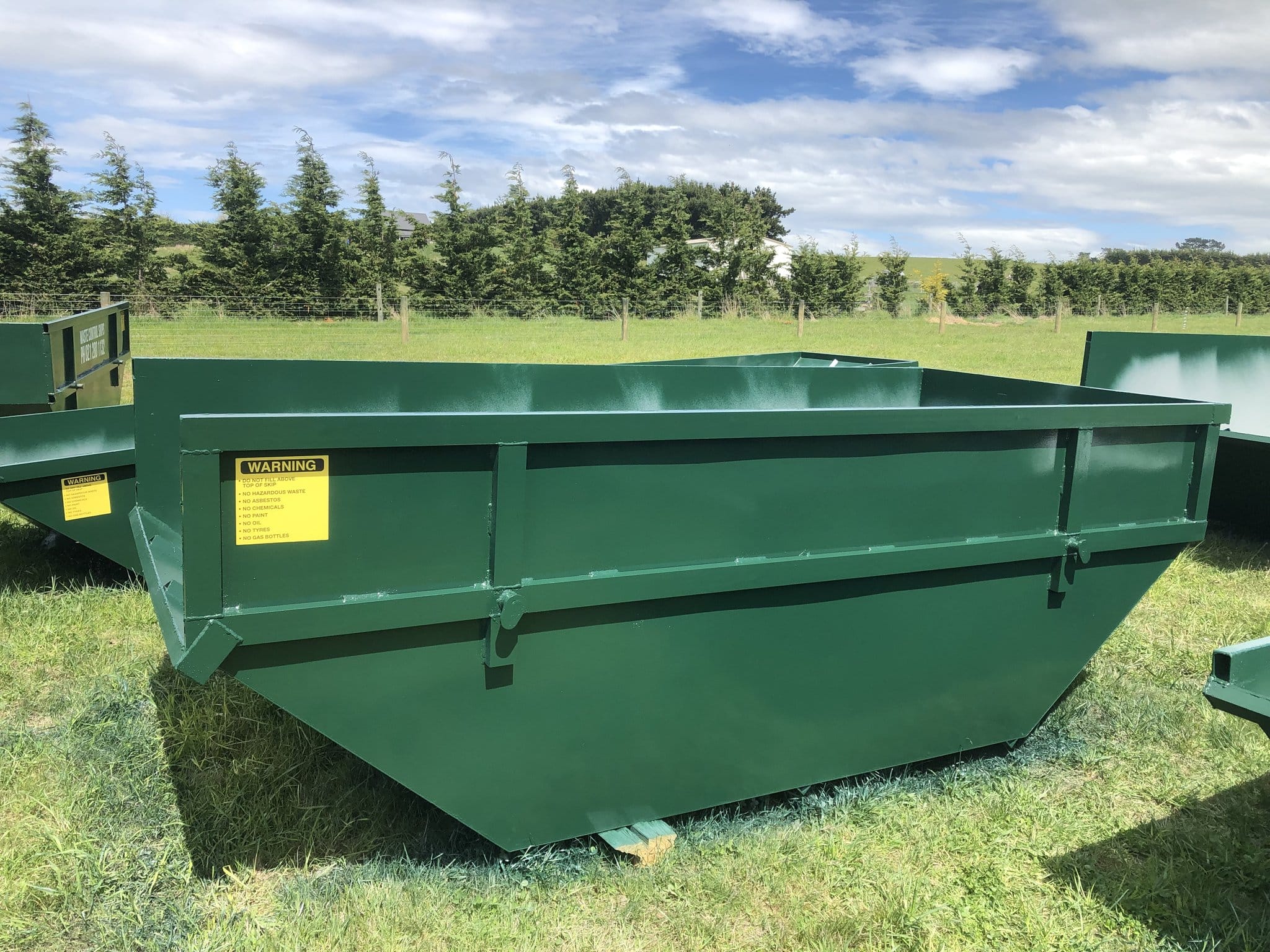
Proper waste management is crucial for maintaining a sustainable environment and ensuring the well-being of communities around the globe. As the world continues to grapple with the challenges posed by increasing waste production, the need for effective waste management practices becomes ever more pressing. These practices help mitigate environmental impacts, conserve resources, and promote a healthier living environment. In this context, examining current methodologies and innovations in waste management is essential to fostering a sustainable future.
Understanding Waste Management
Waste management involves the collection, transportation, processing, and disposal of waste materials. It aims to reduce the adverse effects of waste on health, the environment, and aesthetics. Effective waste management practices are essential for:
- Reducing pollution and greenhouse gas emissions.
- Conserving natural resources through recycling and reusing materials.
- Preventing health hazards by managing hazardous waste properly.
- Enhancing economic efficiency by reducing costs associated with waste disposal.
To discover expert strategies here, visit this resource that discusses various waste management methods.
Types of Waste Management Practices
Different types of waste require varied management approaches. The most common methods include:
Recycling
Recycling involves converting waste materials into new products, thus conserving raw materials and reducing energy consumption. It is a critical component of sustainable waste management, highlighting the need for public awareness and participation.
Composting
Composting is an organic process where organic waste decomposes naturally under aerobic conditions. It reduces the volume of waste in landfills and produces nutrient-rich soil additives that can enhance agricultural productivity.
Incineration
Incineration involves burning waste materials at high temperatures, reducing waste volume and generating energy. However, it requires careful management to minimize harmful emissions. For more about tailored solutions in waste management, learn about our tailored solutions.
Landfilling
Landfills are engineered sites for waste disposal, designed to minimize environmental impacts. Effective landfill management includes measures to control leachate and landfill gases, which can be harmful to the environment.
Benefits of Proper Waste Management
Implementing proper waste management practices yields numerous benefits, including:
- Environmental Protection: Minimizing pollution and preserving ecosystems.
- Resource Conservation: Efficient use of materials through recycling and reuse.
- Public Health Improvement: Reducing exposure to hazardous waste.
- Economic Development: Creating jobs in the recycling and waste management sectors.
To explore advanced guides and tips on efficient waste management, explore advanced guides and tips provided by experts in the field.
Challenges in Waste Management
Despite the benefits, effective waste management faces several challenges, including:
- Increasing Waste Volume: The rapid growth of urban populations leads to more waste generation.
- Complex Waste Streams: Different types of waste require specific handling and processing methods.
- Lack of Infrastructure: Insufficient facilities and technology in some regions hinder effective waste management.
- Public Participation: Low levels of awareness and engagement can impede recycling efforts.
For more information on overcoming these challenges, find out more about this approach to waste management.
Conclusion
Proper waste management is indispensable for safeguarding the environment and ensuring the health and safety of communities. By understanding the importance and benefits of effective waste management practices, individuals and organizations can contribute to a more sustainable future. As the sector evolves, continuous adaptation and innovation are necessary to address the growing challenges of waste management. Engaging with comprehensive resources and expert guidance is a step towards achieving these goals, fostering a cleaner, more sustainable planet for future generations. For more insights and strategies, explore the resources available here.