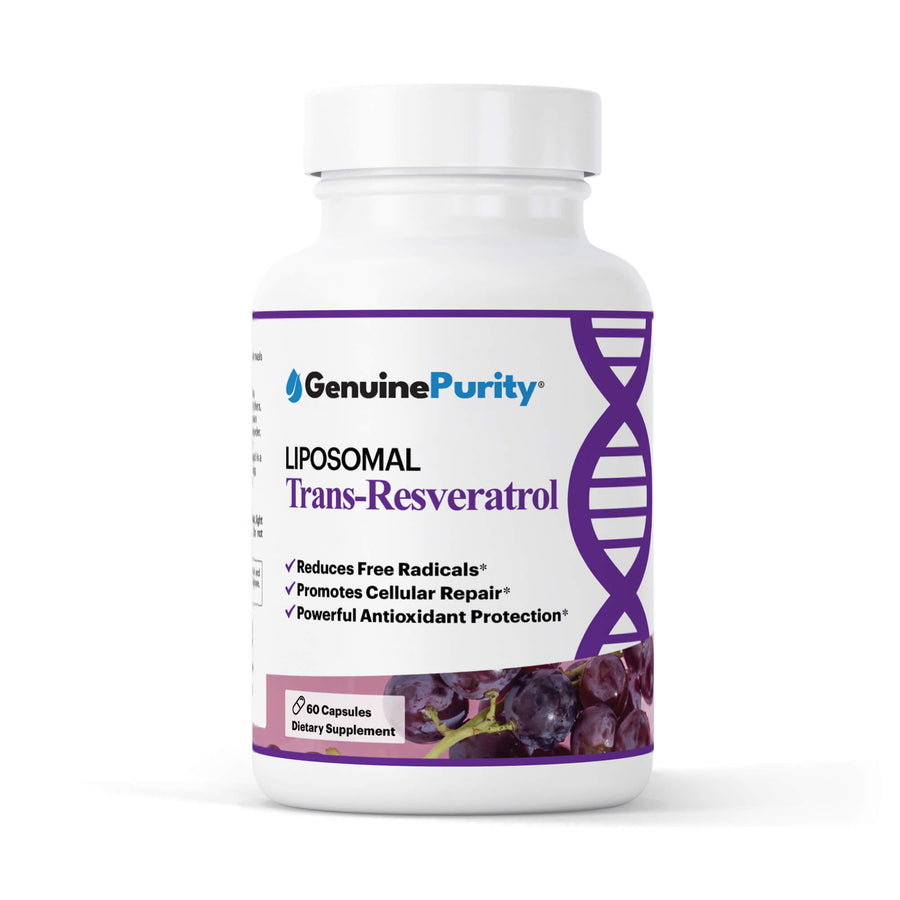
Resveratrol has become a focal point of nutritional research due to its potential to support cardiovascular health, promote healthy aging, and act as a powerful antioxidant. With a growing market of capsules, tablets, and advanced delivery systems, selecting the right product can be overwhelming. This guide breaks down the science, key factors to consider, and practical tips for choosing a high-quality resveratrol supplement that aligns with personal health goals.
Understanding Resveratrol: Forms and Bioavailability
Resveratrol exists in two geometric isomers: cis- and trans-resveratrol. The trans form is the most biologically active and is the one most manufacturers standardize in their products. However, the compound’s natural low bioavailability means that formulation matters as much as dosage.
Why Trans-Resveratrol Matters
- Higher antioxidant capacity compared with the cis isomer.
- Better absorption in the small intestine when delivered in a stabilized form.
- Most clinical studies use trans-resveratrol, providing a clearer evidence base.
Delivery Technologies That Improve Absorption
- Liposomal encapsulation: Encases the molecule in phospholipid vesicles, protecting it from degradation and enhancing cellular uptake (liposomal resveratrol).
- Micronization: Reduces particle size to increase surface area and improve solubility.
- Combination with piperine or other bioenhancers to inhibit rapid metabolism.
Key Criteria for Evaluating Resveratrol Capsules
When comparing options, focus on the following measurable attributes rather than marketing hype.
- Purity and source – Look for products that specify a high percentage of trans-resveratrol (typically > 98%).
- Dosage per serving – Common dosages range from 250″?mg to 1000″?mg. Choose based on personal health goals and tolerance.
- Formulation type – Capsules, tablets, or liposomal forms each have distinct absorption profiles. For maximum bioavailability, liposomal trans resveratrol is often recommended.
- Third-party testing – Independent lab results confirm potency and the absence of contaminants.
- Stability – Resveratrol is sensitive to light and heat; opaque, airtight containers help maintain potency.
Dosage Recommendations and Safety
Clinical research has examined a wide range of doses. While there is no universal “one-size-fits-all” recommendation, the following guidelines provide a practical starting point.
- General wellness: 250-500″?mg per day (resveratrol 500mg).
- Targeted antioxidant support: 500-1000″?mg per day (resveratrol 1000mg).
- Special populations (e.g., athletes, seniors): May benefit from split dosing to maintain steady plasma levels.
Resveratrol is generally well-tolerated, but high doses can interact with blood thinners and certain medications. Consulting a healthcare professional before initiating a regimen is advisable.
Comparing Popular Forms: Capsules vs. Tablets vs. Liposomal
Each delivery format has distinct pros and cons that influence the overall effectiveness of the supplement.
Resveratrol Capsules
- Convenient size and easy to swallow.
- Often formulated with oil carriers to improve solubility.
- Standard option for most users seeking a balance of cost and efficacy (resveratrol capsules).
Resveratrol Tablets
- Typically denser, which may affect dissolution speed.
- May include binders that slightly reduce bioavailability.
- Suitable for those who prefer a solid form without a soft-gel shell.
Liposomal Resveratrol
- Encapsulation in phospholipid vesicles dramatically increases absorption.
- Often marketed as the best trans resveratrol supplement for advanced users.
- Usually carries a premium price due to the technology involved.
How to Verify the Best Resveratrol Brand
Choosing a reputable manufacturer reduces the risk of adulterated or ineffective products.
- Check for a Certificate of Analysis (CoA) on the product page.
- Confirm that the label lists the exact amount of trans-resveratrol per serving.
- Look for transparency about sourcing (e.g., Japanese knotweed or grape skin).
- Read third-party reviews that focus on efficacy rather than price.
Practical Tips for Incorporating Resveratrol into Your Routine
- Take the supplement with a meal containing healthy fats to aid absorption.
- Store the bottle in a cool, dark place to protect against degradation.
- Combine with a balanced diet rich in polyphenols (berries, dark chocolate) for synergistic effects.
- Track any changes in energy, sleep quality, or joint comfort to assess personal response.
Where to Buy Resveratrol Safely
Purchasing directly from the manufacturer’s official site ensures authenticity, proper packaging, and access to detailed lab reports. It also simplifies the process of selecting the exact formulation, whether resveratrol pills, trans resveratrol capsules, or a high-strength resveratrol 1000mg option.
Final Thoughts
Choosing the right resveratrol tablets or capsules hinges on understanding the importance of trans-resveratrol, evaluating bioavailability technologies, and verifying product integrity through third-party testing. By focusing on these evidence-based criteria, it is possible to select a supplement that delivers the antioxidant and anti-inflammatory benefits associated with this remarkable polyphenol, without falling prey to marketing hype.