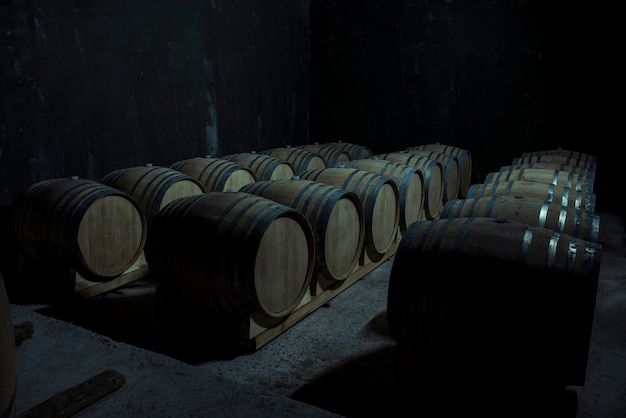
Investing in whiskey casks has gained considerable attention as an alternative asset class, offering a blend of financial return and cultural allure. Unlike traditional investments, whiskey casks offer a unique opportunity to participate in the maturation process, which can enhance both the value and the quality of the whiskey. This burgeoning market attracts both enthusiasts and investors seeking diversification and long-term growth potential. Whether new to the world of spirits or experienced in alternative investments, understanding the dynamics of the whiskey cask market is crucial.
The Allure of Whiskey Cask Investment
Whiskey cask investment appeals to those who appreciate the meticulous craftsmanship involved in whiskey production. As the liquid ages, it develops complex flavors and increases in value. This natural appreciation aligns with the interests of investors looking for tangible assets with intrinsic qualities. Moreover, whiskey casks offer:
- Potential for high returns compared to traditional assets.
- Low correlation with stock markets, providing diversification.
- A tangible and storied asset that collectors value.
Understanding the Market Dynamics
The whiskey market is influenced by several factors that contribute to its investment potential. Key elements include:
- Demand and Supply: The global demand for whiskey, particularly from emerging markets, continues to rise, while the supply of aged whiskey remains limited.
- Brand Reputation: The prestige of a distillery can significantly impact the value of its casks.
- Age and Maturation: Older casks generally command higher prices, reflecting the premium nature of well-aged spirits.
For those interested in investing in whiskey casks, understanding these dynamics is essential to making informed decisions.
Steps to Begin Investing in Whiskey Casks
Embarking on a whiskey barrel investment journey requires thorough research and strategic planning. Consider the following steps:
- Research Distilleries: Investigate different distilleries, focusing on their reputation, production processes, and past performance.
- Select Cask Type: Choose from various options such as bourbon, sherry, or port casks, each influencing the whiskey’s flavor and value.
- Age Considerations: Decide on the desirable aging period, keeping in mind that longer maturation often means higher potential returns.
- Storage Solutions: Secure appropriate storage facilities to ensure optimal aging conditions.
- Exit Strategy: Plan for the eventual sale or bottling, aligning with market conditions and personal investment goals.
Key Considerations and Risks
While whiskey cask investment offers appealing prospects, it is not without risks. Potential investors should consider:
- Market Volatility: Like any investment, the value of whiskey casks can fluctuate based on market conditions.
- Storage Costs: Maintaining the right environment for cask aging incurs ongoing expenses.
- Liquidity: The market for casks may not be as liquid as traditional financial assets, impacting the ease of sale.
Conclusion
Investing in whiskey casks presents an intriguing opportunity for those seeking to diversify their portfolios with a tangible asset rooted in history and tradition. By delving into the intricacies of the whiskey market and understanding the factors that drive value, investors can position themselves to capitalize on the growth potential of this unique asset class. As with any investment, due diligence and strategic planning are key to navigating the complexities and maximizing returns.