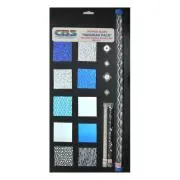
Crafting with COE96 glass can be a fulfilling endeavor, offering artisans the chance to create stunning glass pieces that capture light and color in unique ways. As a popular glass type among artists, COE96 is known for its compatibility and versatility in various projects from glass fusing to mosaic creation. However, to achieve the best results, understanding some key strategies and techniques can make all the difference. This article provides insights into crafting with COE96 glass, offering tips and tricks for both beginners and seasoned artists to enhance their craftsmanship.
Understanding COE96 Glass Properties
COE, or Coefficient of Expansion, is a crucial factor in glass crafting, as it determines how glass behaves under temperature changes. COE96 glass is specifically designed for ease of use and compatibility across different pieces. Here?s what to consider:
- Compatibility: Ensure that all glass used together in a project shares the same COE to prevent cracking.
- Temperature Sensitivity: COE96 glass requires specific kiln schedules to avoid thermal shock.
- Durability: Known for its robustness, COE96 is ideal for both functional and decorative pieces.
Find out more about this approach by exploring advanced guides and tips on COE96 glass.
Tools and Equipment for COE96 Projects
Essential Tools
Crafting with COE96 glass requires a set of tools that cater to both cutting and shaping the glass. Key items include:
- Glass Cutter: A high-quality cutter ensures precise edges.
- Nippers: Useful for shaping and fine-tuning pieces.
- Grinder: Essential for smoothing edges and achieving a perfect finish.
Discover expert strategies here to choose the right tools for your projects.
Advanced Equipment
For more complex projects, consider investing in advanced equipment:
- Kiln: A programmable kiln is essential for controlling firing times and temperatures.
- Molds: Utilize various molds to shape the glass in unique forms.
- Slumping Setups: Ideal for creating bowls and other three-dimensional forms.
Learn about our tailored solutions for equipping your studio with the right tools here.
Techniques for Successful Glass Fusing
Preparation and Planning
Before starting any glass fusing project, planning is crucial. Consider the following techniques:
- Design: Sketch your design to visualize the final piece.
- Layering: Plan the order and placement of glass layers to ensure compatibility.
- Testing: Conduct small test firings to examine color reactions and compatibility.
Explore advanced guides and tips to enhance your preparation phase.
Firing Techniques
Mastering the firing process is key to achieving the desired outcome in glass fusing:
- Ramp Rates: Control the rate of temperature increase to avoid thermal shock.
- Soak Time: Allow adequate time at peak temperatures to ensure complete fusing.
- Annealing: Gradually cool the glass to relieve internal stresses.
Find out more about this approach in detailed firing schedules and techniques here.
Conclusion
Crafting with COE96 glass opens up a world of creativity and precision. By understanding the properties of COE96, equipping oneself with the right tools, and mastering essential techniques, artists can create beautiful and lasting works. Whether starting a new project or refining existing skills, continuous learning and experimentation are key to success in the art of glass crafting. For more resources and materials, learn about our tailored solutions and start crafting with confidence.