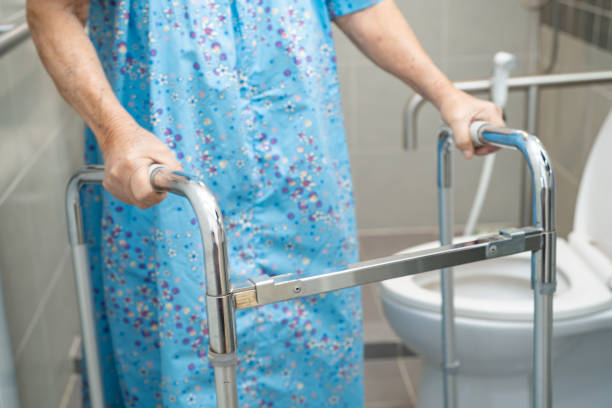
Navigating the bathroom can be a challenge for individuals with limited mobility, whether due to aging, injury, or disability. Bathroom assistive devices play a crucial role in ensuring safety, independence, and dignity in one of the most personal spaces in the home. This article explores various effective bathroom aids designed to cater to the diverse needs of seniors and individuals with disabilities, making daily routines more manageable and less hazardous.
Understanding the Importance of Bathroom Assistive Devices
The bathroom is one of the most accident-prone areas in the home, particularly for those with reduced mobility. Slippery surfaces, limited space, and hard fixtures contribute to a heightened risk of falls and injuries. Incorporating bathroom aids can significantly reduce these risks, offering users greater confidence and independence.
Types of Bathroom Assistive Devices
Grab Bars and Handrails
Grab bars and handrails are essential bathroom aids for seniors and individuals with disabilities. They provide stability and support when moving in wet areas, such as getting in and out of the shower or standing up from the toilet.
- Available in various sizes and materials to fit different needs and bathroom designs.
- Can be installed vertically, horizontally, or diagonally for optimal support.
- Non-slip textures enhance grip even when wet.
Shower Chairs and Stools
For those who find standing in the shower challenging, showering aids like shower chairs and stools provide a safe seating option.
- Lightweight and often height-adjustable for comfort.
- Some models come with backrests and armrests for added support.
- Non-slip feet ensure stability on wet floors.
Raised Toilet Seats and Toilet Frames
Raised toilet seats and frames are vital toilet aids for the disabled. They reduce the distance one needs to lower themselves, easing the process of sitting and standing.
- Available in various heights to suit individual needs.
- Some models include armrests or handles for additional support.
- Easy to install and remove, making them flexible for different users.
Specialized Bath Aids for Enhanced Mobility
Enhanced mobility in the bathroom can be achieved through specialized devices that cater to specific needs. Mobility aids for bathroom use include devices that ensure ease of movement and access to various bathroom facilities.
Transfer Benches
Transfer benches are designed to help individuals move safely in and out of the bathtub, reducing the risk of slips and falls.
- Extend over the bath edge, providing a stable surface for transitioning.
- Adjustable legs accommodate different bathtub heights.
- Some models include padded seats for comfort.
Handheld Shower Heads
Handheld shower heads are an essential component of bath aids for disabled individuals, offering flexibility and control during showering.
- Easy to maneuver, allowing for targeted cleaning.
- Variable spray settings for a customized shower experience.
- Long hoses provide extended reach, accommodating seated users.
Conclusion
Investing in bathroom assistive devices is a proactive step towards creating a safer and more accessible environment. From elderly bath aids to bathroom aids for the handicapped, these devices cater to a variety of needs, promoting independence and reducing the risk of accidents. Whether for personal use or in a caregiving setting, these aids offer invaluable support and peace of mind.