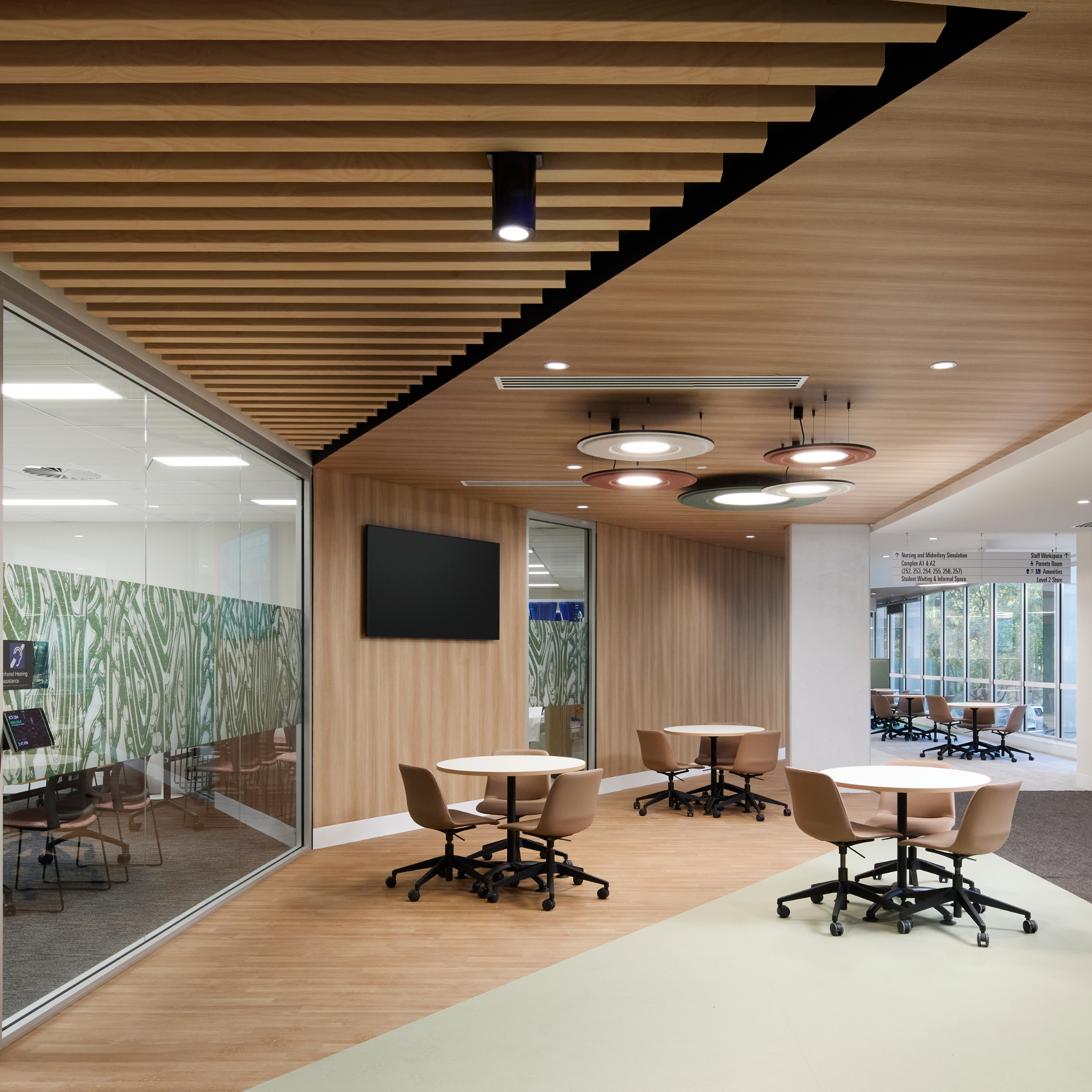
In the realm of modern architecture and interior design, the integration of natural materials with functional design continues to captivate both professionals and homeowners alike. Acoustic wood ceilings emerge as a sophisticated solution, merging aesthetics with practicality. These ceilings not only enhance the visual appeal of a space but also significantly improve acoustics, making them a preferred choice for various environments including offices, educational institutions, and public spaces.
The Importance of Sound Management
Sound management is paramount in creating comfortable and productive environments. Poor acoustics can lead to distractions, reducing productivity and increasing stress levels. Acoustic wood ceilings serve as an effective remedy, offering numerous benefits:
- Reduction of noise levels through sound absorption.
- Improvement in speech clarity and communication.
- Creation of a tranquil atmosphere conducive to focus and relaxation.
Design Versatility
The versatility of acoustic wood ceilings extends beyond their acoustic capabilities. These ceilings are available in a variety of designs, finishes, and configurations, allowing for customization to suit specific aesthetic preferences and functional needs.
Variety of Finishes
From natural wood grains to painted finishes, acoustic wood ceilings can complement any interior design style. This adaptability ensures that they can be seamlessly integrated into both contemporary and traditional settings.
Modular Configurations
The modular nature of these ceilings allows for innovative design solutions. Whether the goal is to create a visually striking feature ceiling or a subtle backdrop, acoustic wood ceilings can be tailored to meet varied design requirements.
Applications Across Different Sectors
Acoustic wood ceilings are not limited to a single type of space. Their application spans across various sectors, each benefiting from the unique blend of aesthetics and functionality:
- Corporate Offices: Enhance productivity and comfort by reducing noise and echo.
- Educational Institutions: Improve acoustics in classrooms and lecture halls, facilitating better communication and learning.
- Hospitality Venues: Create inviting and serene environments in hotels and restaurants.
- Public Buildings: Manage acoustics effectively in libraries, galleries, and museums.
Sustainability and Environmental Impact
Modern interior design increasingly emphasizes sustainability. Acoustic wood ceilings align with this trend, often crafted from sustainably sourced materials. The use of wood not only enhances the natural beauty of a space but also contributes positively to environmental goals.
Eco-Friendly Materials
The wood used in these ceilings is often sourced from certified sustainable forests, ensuring responsible forestry practices are upheld. This commitment to sustainability is crucial in today’s environmentally conscious world.
Long Lifecycle and Durability
Acoustic wood ceilings are designed for longevity, reducing the need for frequent replacements and thereby minimizing waste. Their durability ensures that they remain a timeless addition to any space.
Conclusion
Incorporating an acoustic wood ceiling into a space is an investment in both style and functionality. By enhancing acoustics, improving aesthetics, and supporting sustainable design practices, these ceilings offer a multifaceted solution suited to a wide range of environments. Whether the aim is to foster a productive work environment, create a serene educational space, or enhance the ambiance of a hospitality venue, acoustic wood ceilings stand as a testament to the harmonious blend of form and function.