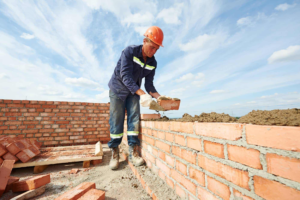
In the ever-evolving world of architecture, the demand for innovative and sustainable building materials is constantly on the rise. One such material that has gained significant attention is the thin brick. Thin brick formliners are revolutionizing the way architects and builders approach design, offering a perfect blend of aesthetic appeal and functional benefits. These formliners allow for the creation of visually striking facades that mimic traditional brickwork, but with reduced weight and cost. This article delves into the myriad advantages of using thin brick formliners in architectural design and explores their application in modern construction.
Advantages of Thin Brick Formliners
Incorporating thin brick formliners in architectural designs offers several benefits that enhance both the visual and functional aspects of a building. Here are some key advantages:
- Cost Efficiency: Thin brick formliners are more cost-effective than traditional brickwork because they require less material and labor.
- Design Flexibility: These formliners provide architects with a wide range of design possibilities, allowing for customization in color, texture, and pattern to achieve the desired aesthetic effect.
- Durability: Made from high-quality materials, thin brick formliners are designed to withstand harsh weather conditions and resist wear and tear over time.
- Sustainability: Thin brick construction uses fewer raw materials, contributing to more sustainable building practices.
Applications in Modern Architecture
Commercial Buildings
In commercial construction, thin brick formliners are ideal for creating stylish facades that not only attract attention but also provide durability. The versatility of these formliners allows for seamless integration into various architectural styles, from contemporary to classic. By utilizing thin brick construction, commercial buildings can achieve a high-end appearance while maintaining structural integrity.
Residential Projects
Thin brick formliners are also popular in residential projects where homeowners seek to combine traditional charm with modern efficiency. These formliners can be used for exterior facades, interior feature walls, and fireplaces, offering a timeless elegance that enhances the overall aesthetic appeal of a home.
Integration with Other Building Materials
One of the standout features of thin brick formliners is their ability to integrate seamlessly with other building materials. This compatibility ensures that architects can incorporate them into diverse construction projects without compromising on design or performance. For example:
- Thin brick formliners can be paired with concrete to create unique textured finishes that mimic natural stone or traditional brickwork.
- They can be used alongside glass and metal to achieve a modern and industrial look.
Conclusion
Thin brick formliners represent a significant advancement in architectural design, offering a sustainable and flexible solution that meets the demands of modern construction. With their numerous benefits and wide range of applications, these formliners are an invaluable asset to architects and builders looking to innovate in their designs. As the industry continues to evolve, the integration of thin brick formliners in architectural projects will undoubtedly become more prevalent, paving the way for more creative and efficient building solutions.