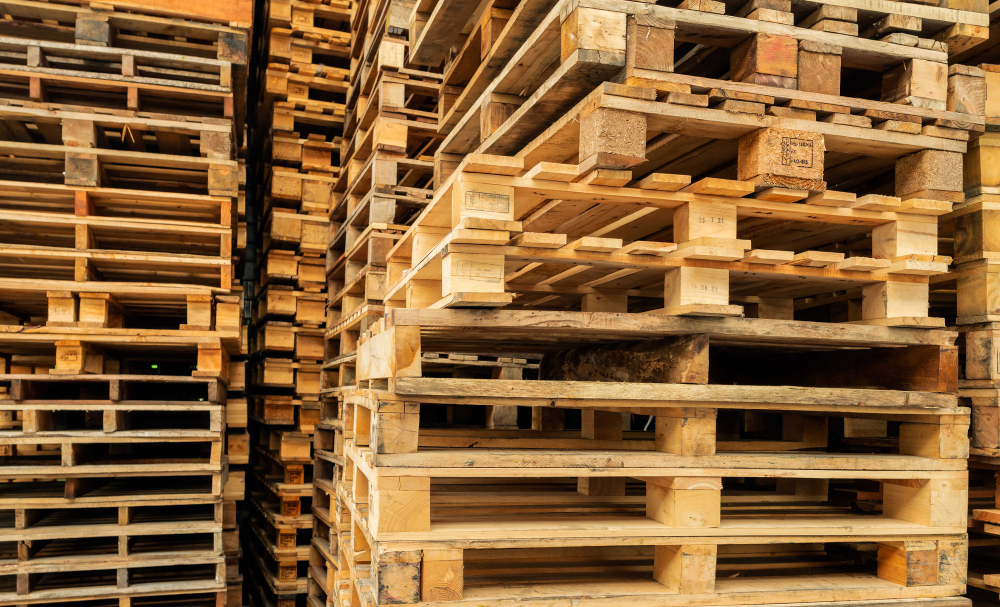
In the rapidly evolving world of supply chain management, efficiency and reliability are crucial. One vital component that significantly contributes to these goals is the use of standard pallets. These uniform platforms facilitate the movement and storage of goods, making them indispensable in modern logistics. By adopting standard pallets, businesses can streamline operations, reduce costs, and improve productivity, paving the way for seamless supply chain processes.
The Role of Standard Pallets in Supply Chain Management
Standard pallets are essential in the logistics industry due to their consistent size and structure, which simplify the handling of goods. The widespread adoption of these pallets offers numerous advantages:
- Uniformity: With standardized dimensions, these pallets ensure compatibility with various handling equipment, such as forklifts and pallet jacks, reducing the risk of damage during transport.
- Efficient Storage: Their consistent size allows for better space utilization in warehouses and during transportation, enabling more efficient stacking and storage.
- Cost-Effective: By minimizing the need for custom solutions, standard pallets help in reducing logistics costs, thereby enhancing the overall supply chain efficiency.
- Global Compatibility: Standard pallets facilitate international trade by aligning with global shipping and transportation standards.
Learn more about the benefits of adopting standard pallets in supply chain operations.
Benefits of Streamlined Operations
Improved Handling and Transportation
Standard pallets enhance the handling and transportation processes through their uniformity. This standardization allows for seamless integration with various types of transportation and warehousing equipment. As a result, companies can achieve:
- Reduced Handling Time: Standard pallets simplify the loading and unloading processes, significantly cutting down the time required for these tasks.
- Minimized Product Damage: Consistent pallet quality and design help in reducing the risk of goods being damaged during handling and transit.
- Lower Labor Costs: The ease of handling these pallets can lead to reduced labor costs, as less time and effort are required to manage goods.
Enhanced Inventory Management
Inventory management becomes more organized and accurate with the use of standard pallets. This improvement is evident in several ways:
- Efficient Space Utilization: Standardized sizes allow businesses to optimize their warehouse layouts, leading to better space management.
- Streamlined Tracking: By using uniform pallets, companies can implement more efficient tracking systems, ensuring accurate inventory counts and minimizing discrepancies.
- Improved Forecasting: Enhanced inventory management enables more accurate demand forecasting, reducing the likelihood of overstocking or stockouts.
Environmental and Sustainability Considerations
In addition to operational benefits, standard pallets also contribute to sustainable supply chain practices. By choosing these pallets, businesses can promote environmental responsibility through:
- Reusability: The durable design of standard pallets ensures they can be reused multiple times, reducing the demand for new materials.
- Recycling: At the end of their lifecycle, standard pallets are often recyclable, minimizing waste and supporting eco-friendly initiatives.
- Reduced Carbon Footprint: Efficient logistics processes, facilitated by standard pallets, can lead to fewer emissions and a lower overall carbon footprint.
Explore how standard pallets contribute to sustainable supply chain practices.
Conclusion
Standard pallets are a cornerstone of efficient supply chain operations. Their uniformity and compatibility drive significant improvements in handling, transportation, and inventory management, while also supporting environmental sustainability. By integrating these pallets into logistics strategies, businesses can achieve greater operational efficiencies and contribute to a more sustainable future.