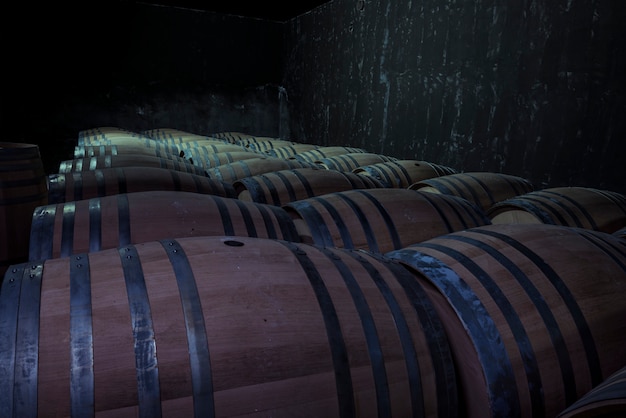
In the realm of alternative investments, whiskey cask investments have gained significant attention as a lucrative and tangible asset class. Unlike traditional investment vehicles such as stocks or bonds, whiskey casks offer a unique blend of craftsmanship, history, and potential financial return. The allure of whiskey cask investments lies in their ability to appreciate in value over time, driven largely by the maturation process and increasing global demand for premium spirits. This article explores the intricacies of maximizing returns with whiskey cask investments, providing insights into the factors that contribute to a successful investment strategy.
Understanding Whiskey Cask Investments
Whiskey cask investments involve purchasing casks of whiskey which mature over time, potentially increasing in value. This form of investment can be particularly rewarding for those who appreciate the artisanal craft of whiskey making and the financial growth it can offer.
Why Choose Whiskey Casks?
- Tangible Asset: Unlike stocks or digital assets, whiskey casks are physical, allowing investors to own a tangible piece of the investment.
- Value Appreciation: Whiskey tends to increase in value as it matures, with older, well-crafted whiskeys often fetching a higher price.
- Global Demand: The global market for premium and rare whiskeys continues to grow, driving demand for quality casks.
- Diversification: Including whiskey casks in an investment portfolio can diversify risks and enhance overall returns.
Factors Influencing Returns
To achieve the most significant returns from whiskey cask investments, several key factors must be considered:
Maturation Period
- Whiskey requires time to mature, with many premium varieties taking 10 years or more to reach their peak flavor and value.
- The longer the maturation, the greater the potential return, but investors should be prepared for a longer commitment.
Quality and Provenance
- Invest in whiskey casks from reputable distilleries known for their quality and heritage.
- Certain regions, such as Scotland or Ireland, have a renowned reputation, often adding prestige and value to casks.
Market Trends
- Stay informed about trends in the whiskey industry, including emerging markets and changing consumer preferences.
- Monitor the demand for rare and vintage whiskeys, as scarcity can drive up prices.
Investment Strategies
Developing a strong strategy is essential for maximizing returns on whiskey cask investments:
Research and Expertise
- Conduct thorough research or seek advice from experts to understand the complexities of whiskey cask investment.
- Leverage expertise to evaluate cask quality, assess market conditions, and identify potential growth opportunities.
Portfolio Diversification
- Diversify investments across different types of casks, distilleries, and regions to spread risk and increase potential returns.
- Consider a mix of younger and mature casks to balance short-term gains with long-term growth.
Exit Strategy
- Define a clear exit strategy to determine when and how to sell casks for optimal returns.
- Monitor market conditions and be ready to capitalize on favorable selling opportunities.
Conclusion
Whiskey cask investments represent a compelling opportunity for those looking to diversify their investment portfolio with a tangible asset. By focusing on key factors such as maturation period, quality, and market trends, investors can enhance their potential returns. A strategic approach, grounded in research and expertise, will further maximize the benefits of whiskey barrel investment. As the global demand for premium spirits continues to rise, whiskey cask investments offer a unique blend of cultural appreciation and financial growth.