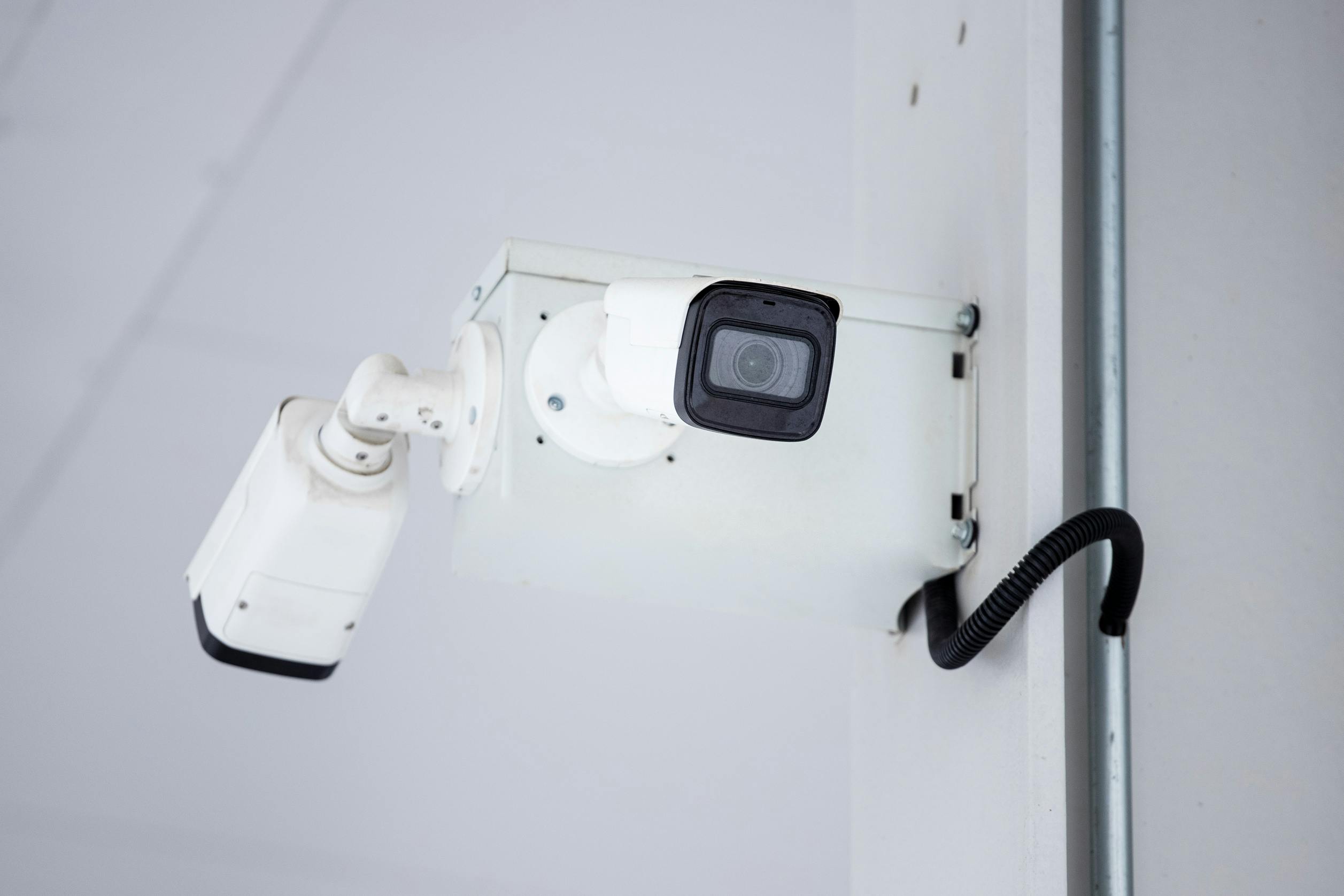
Monitored alarm systems have become an essential component of residential and commercial security solutions. These systems provide a high level of protection by detecting and alerting authorities to potential threats, thereby minimizing the risk of property damage or loss. With the increasing importance of security, it is crucial to understand the benefits and features of monitored alarm systems.
Benefits of Monitored Alarm Systems
The primary advantage of monitored alarm systems is the added layer of security they provide. When an alarm is triggered, the monitoring center is immediately notified, allowing them to dispatch authorities to the scene. This prompt response significantly reduces the likelihood of property damage and minimizes the risk of loss. Additionally, monitored alarm systems can be integrated with other security features, such as CCTV cameras and access control systems, to provide a comprehensive security solution.
Types of Monitored Alarm Systems
There are two primary types of monitored alarm systems: wired and wireless. Wired systems use a physical connection to transmit signals to the monitoring center, while wireless systems rely on radio frequency signals. Both types have their advantages and disadvantages, and the choice ultimately depends on the specific needs of the property.
Components of a Monitored Alarm System
A typical monitored alarm system consists of several key components, including:
- Control panel: This is the central unit that controls the system and communicates with the monitoring center.
- Sensors: These devices detect potential threats, such as intruders or environmental hazards.
- Communication devices: These devices transmit signals to the monitoring center, alerting authorities to potential threats.
- Power supply: This component provides power to the system, ensuring continuous operation.
Installation and Maintenance
The installation of a monitored alarm system requires careful planning and execution. It is essential to choose a reputable and experienced installer to ensure that the system is properly configured and integrated with other security features. Regular maintenance is also crucial to ensure that the system remains operational and effective.
Cost and Return on Investment
The cost of a monitored alarm system can vary depending on the specific requirements of the property. However, the benefits of these systems far outweigh the costs. By reducing the risk of property damage and minimizing the likelihood of loss, monitored alarm systems can provide a significant return on investment.
For more information on the benefits and features of monitored alarm systems, visit the All Star Security website to learn more. This comprehensive resource provides detailed insights into the world of security solutions.
In conclusion, monitored alarm systems are a vital component of any security solution. By providing a high level of protection and minimizing the risk of property damage or loss, these systems offer a significant return on investment. Whether for residential or commercial use, monitored alarm systems are an essential consideration for anyone looking to protect their property and assets.