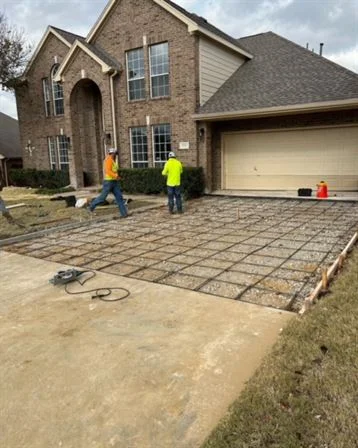
Slab foundations are a crucial element in the construction of many homes and buildings. They provide a level base upon which the structure rests and play a vital role in maintaining the integrity of the building. However, over time, various factors such as soil movement, water infiltration, and temperature changes can cause slab foundations to settle or crack. These issues can lead to significant structural problems if not addressed promptly. This article explores reliable solutions for slab foundation repair, guiding homeowners and property managers through the essential steps to ensure structural stability.
Understanding Slab Foundation Issues
Before delving into repair solutions, it is vital to comprehend the common issues that affect slab foundations:
- Soil Movement: Soil expansion and contraction due to moisture variations can exert pressure on the foundation, leading to cracks.
- Water Damage: Poor drainage or plumbing leaks can cause soil erosion and foundation settling.
- Temperature Fluctuations: Extreme temperatures can cause concrete to expand or contract, resulting in cracks.
Understanding these issues helps in identifying the appropriate repair techniques tailored to specific problems. For more insights into identifying slab foundation issues, read more about this topic.
Reliable Repair Solutions
Various strategies exist for repairing slab foundations, each suited to different types of damage. Here are some effective solutions:
1. Slabjacking
Slabjacking, also known as mudjacking, involves pumping a grout mixture beneath the settled slab to raise it back to its original position. This method is highly effective for addressing minor settlement issues. Explore further insights here on how slabjacking can be a cost-effective solution.
2. Piering
Piering involves installing steel piers deep into stable soil or bedrock to support the foundation and prevent further settlement. This technique is suitable for significant settlement issues and provides a long-term solution. Learn more in this detailed guide about the benefits and process of piering.
3. Epoxy Injection
For cracks in the foundation, epoxy injection is a method that seals and stabilizes the cracks, preventing water infiltration and further damage. This solution is ideal for non-structural cracks. Find additional information here on how epoxy injections can restore the integrity of cracked foundations.
Preventative Measures
While repair solutions are crucial, implementing preventative measures can significantly reduce the risk of future foundation issues:
- Proper Drainage: Ensure gutters and downspouts direct water away from the foundation.
- Regular Inspections: Conduct periodic assessments to identify early signs of foundation problems.
- Soil Management: Maintain consistent moisture levels in the soil around the foundation to prevent excessive expansion or contraction.
By taking these proactive steps, property owners can extend the lifespan of their slab foundations. For further guidance on preventative measures, explore further insights here.
Conclusion
Effectively addressing slab foundation issues is essential for the safety and longevity of any structure. By understanding the common problems and implementing reliable repair solutions, homeowners and property managers can ensure the stability of their buildings. Furthermore, adopting preventative measures can avert potential damage and reduce repair costs in the long run. For comprehensive information and professional advice, read more about this topic to safeguard your property against foundation issues.