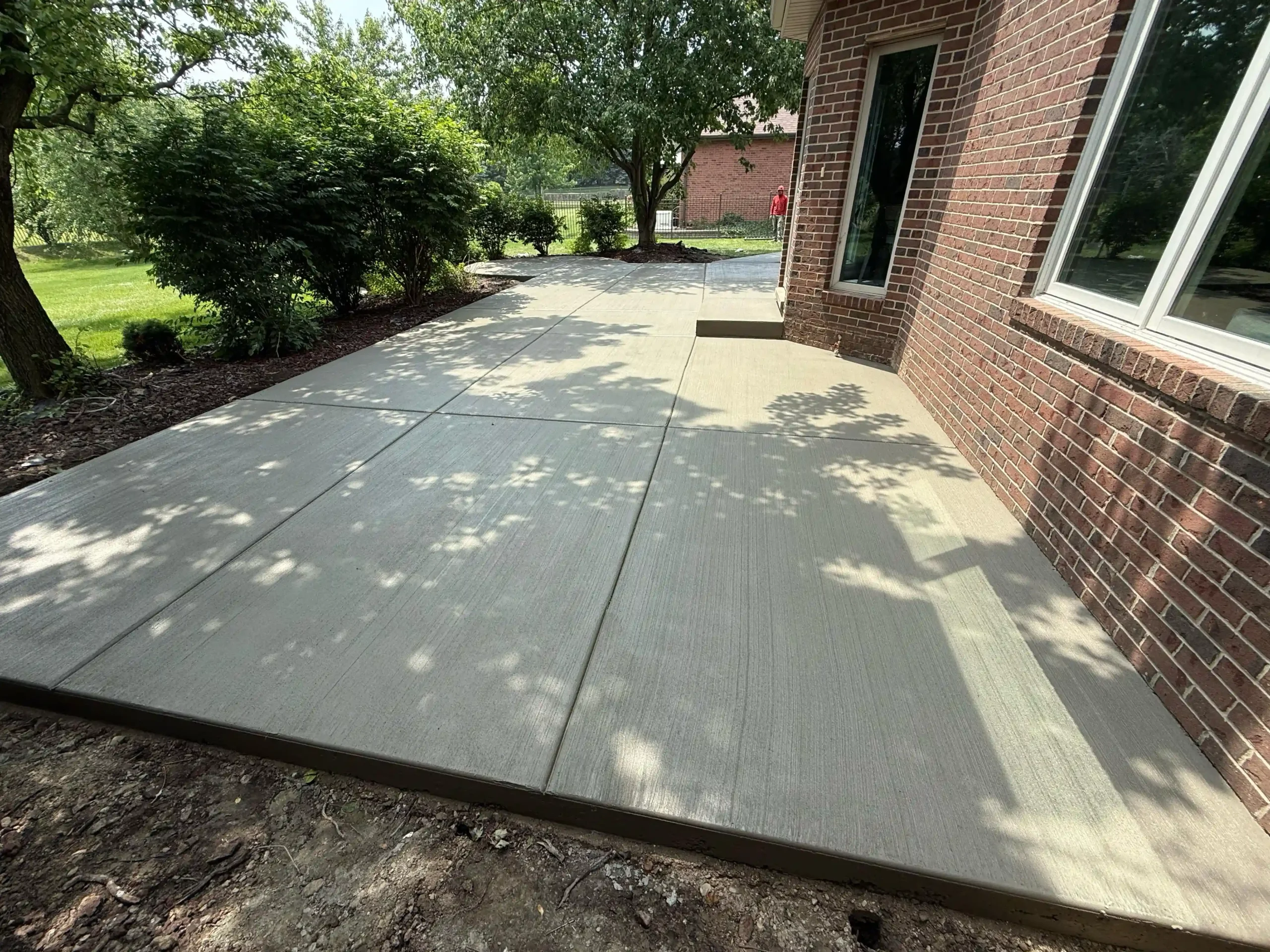
Concrete is a fundamental material used in numerous construction projects, whether residential or commercial. However, the role of concrete contractors can vary significantly between these two types of projects. Understanding the differences between residential and commercial concrete contractors is crucial for anyone involved in construction, from homeowners to large-scale project managers. This article sheds light on these differences to aid in making informed decisions when hiring a concrete contractor.
Scope and Scale of Projects
The primary difference between residential and commercial concrete contractors lies in the scope and scale of their projects. Residential concrete contractors typically handle projects for individual homeowners or residential properties. These projects include:
- Driveways and walkways
- Patios and porches
- Foundations for single-family homes
In contrast, commercial concrete contractors work on larger, more complex projects such as:
- Office buildings
- Shopping centers
- Industrial facilities
- Parking lots and garages
The scale of these projects often requires more sophisticated techniques and equipment. Discover expert strategies here for managing large-scale concrete projects effectively.
Technical Expertise and Equipment
Residential Contractors
Residential concrete contractors often focus on smaller projects that require considerable attention to detail. They may use basic tools and equipment, suitable for simpler tasks. Their expertise typically includes designing aesthetic features like stamped or stained concrete, which add value and appeal to residential properties.
Commercial Contractors
Commercial concrete contractors, on the other hand, need a broader skill set and access to advanced machinery. Their projects often involve complex designs and specifications, requiring the use of technologies such as:
- Advanced mixing and pouring equipment
- Precision laser screeds for flatness
- 3D modeling and simulation tools
For those interested in the technicalities and advanced tools used in commercial concrete projects, learn about our tailored solutions.
Regulations and Compliance
Both residential and commercial concrete contractors must adhere to regulations, but the complexity and scope of these regulations can differ significantly.
- Residential Projects: These projects typically need to comply with local building codes and zoning laws. The emphasis is often on safety and aesthetics.
- Commercial Projects: Compliance is more stringent due to the larger scale and potential impact on the public. Contractors must navigate federal, state, and local regulations, including environmental standards, accessibility requirements, and safety protocols.
Understanding these compliance requirements is critical. Explore advanced guides and tips for navigating regulatory landscapes effectively.
Cost Considerations
The costs associated with hiring residential versus commercial concrete contractors can vary widely due to the differing scales and complexities of their projects. Residential projects are often more straightforward, leading to lower overall costs. However, factors such as customized finishes or complex designs can increase expenses.
Commercial projects generally involve higher costs due to:
- Larger scale of work
- Need for specialized equipment and skilled labor
- Compliance with extensive regulations
For detailed insights into cost-effective strategies in commercial construction, find out more about this approach.
Conclusion
Choosing between residential and commercial concrete contractors depends largely on the nature of the project at hand. While residential contractors focus on smaller, detail-oriented jobs, commercial contractors are equipped to handle large-scale, complex projects. Understanding the distinctions between these two types of contractors can help ensure a successful construction project, be it a cozy patio or a sprawling commercial complex. For more insights and professional guidance, visiting Black Horse Construction Inc. can provide valuable resources and expertise.