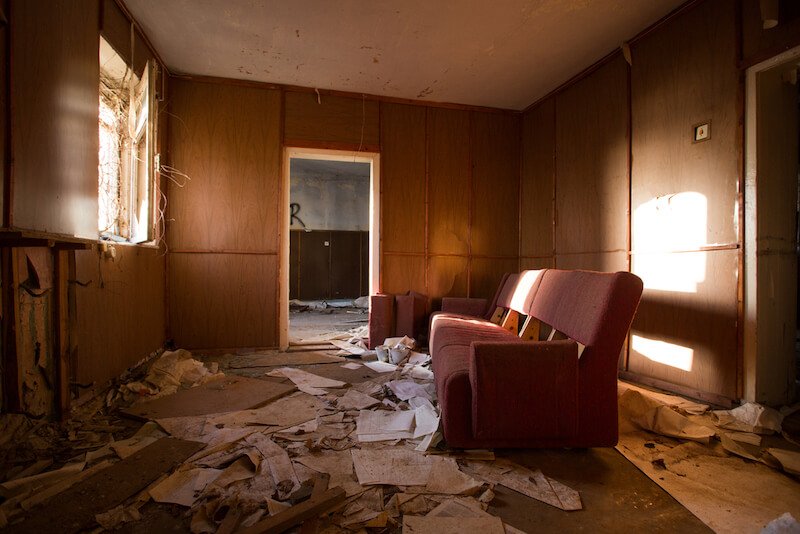
Selling a property can be a complex process, and the presence of squatters adds an additional layer of complexity. Property owners might face challenges in evicting squatters or dealing with legal implications, which can make the sale process longer and more difficult. However, understanding the legal landscape and employing strategic measures can make selling a property with squatters less daunting. This article delves into the intricacies of selling a property with squatters, providing valuable insights and practical advice to navigate this challenging situation.
Understanding Squatters’ Rights
Before initiating the sale process, it is essential to understand squatters’ rights. In many jurisdictions, squatters can gain certain rights to the property through adverse possession. This can complicate the eviction process and, consequently, the sale of the property. Understanding these rights is crucial for formulating an effective strategy.
- Familiarize yourself with local laws regarding adverse possession.
- Consult a legal professional to understand your rights and obligations.
- Investigate if squatters have established any legal claim to the property.
Legal Steps for Eviction
If squatters are occupying the property, legal eviction may be necessary before proceeding with the sale. Eviction laws vary by jurisdiction, so it’s important to follow the legal process meticulously.
1. Serve an Eviction Notice
Serving an eviction notice is often the first step. This notice informs squatters of their requirement to vacate the property. It is essential to comply with all legal requirements when drafting and serving this notice.
- Ensure the notice includes all necessary legal details.
- Deliver the notice in accordance with local regulations.
2. Legal Proceedings
If the squatters do not vacate the premises after receiving the eviction notice, legal proceedings may be necessary. This step requires the involvement of the court system and possibly legal representation.
- File an unlawful detainer action in court.
- Prepare for court appearances and present your case effectively.
Considerations for Selling the Property
Once squatters have been legally removed or if they are willing to leave voluntarily, there are several considerations when selling a house with squatters.
1. Marketing the Property
Marketing a property that has had squatters requires transparency and strategic planning. Potential buyers may have concerns about the property’s history, so addressing these upfront is crucial.
- Highlight the property’s potential and any improvements made after squatters vacated.
- Be honest about the property’s past to build trust with potential buyers.
2. Price Adjustments
Properties with a history of squatter occupation may require price adjustments to attract buyers. Consider the impact on value when setting the price.
- Conduct a market analysis to determine a competitive price.
- Consider offering incentives to buyers, such as covering closing costs.
Engaging with Real Estate Professionals
Collaborating with real estate professionals can ease the process of selling a property with squatters. These experts have the knowledge and experience to navigate complex situations and can provide valuable guidance.
- Consider hiring a real estate agent with experience in similar situations.
- Consult with legal professionals to ensure compliance with all legal obligations.
In conclusion, selling a property with squatters involves navigating legal challenges and requires strategic planning. Understanding squatters’ rights, following legal procedures for eviction, and engaging with real estate professionals are key steps in ensuring a successful sale. By approaching the situation with a well-informed strategy, property owners can overcome the challenges associated with squatters and achieve their property sale goals.