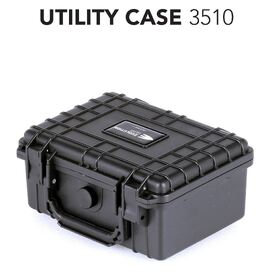
Choosing the right camera case is crucial for both professional and amateur photographers alike. The decision often boils down to selecting between a small camera case and a hard camera case. Each type has its own set of advantages and disadvantages, catering to different needs and preferences. Understanding these distinctions can help ensure the safety and longevity of your camera equipment. This article aims to shed light on the key differences between small camera cases and hard camera cases, helping you make an informed decision on which one is right for you.
Understanding Small Camera Cases
A Small Camera Case is typically designed for compactness and convenience. It’s the preferred choice for photographers who are constantly on the move and who value portability.
Advantages of Small Camera Cases
- Portability: These cases are lightweight and easy to carry, making them ideal for travel and on-the-go photography.
- Accessibility: Quick access to camera equipment is often a priority during shoots, and small camera cases usually offer easy-to-reach compartments.
- Affordability: Generally, small camera cases are more budget-friendly compared to their hard counterparts.
Disadvantages of Small Camera Cases
- Limited Protection: While they provide basic protection against scratches and minor impacts, they may not withstand harsh conditions.
- Space Constraints: Smaller cases naturally offer less room for additional equipment or accessories.
The Benefits of Hard Camera Cases
A hard camera case is synonymous with durability and superior protection. These cases are often preferred by professionals who require the utmost safety for their expensive equipment.
Advantages of Hard Camera Cases
- Maximum Protection: Hard camera cases are constructed to endure extreme conditions, safeguarding equipment from significant impacts and environmental factors.
- Customizable Interior: Many hard cases come with foam inserts that can be tailored to fit specific equipment, providing a snug and secure fit.
- Waterproof Options: Some models offer waterproof camera case features, ensuring protection against water damage.
Disadvantages of Hard Camera Cases
- Weight and Bulk: The added protection comes with increased weight and size, which can be cumbersome for some users.
- Higher Cost: Due to their robust construction and protective features, hard camera cases can be more expensive.
Which is Right for You?
The choice between a small camera case and a hard camera case largely depends on individual needs and preferences. Consider the following factors when making your decision:
Purpose and Frequency of Use
- If your photography involves frequent travel or outdoor shoots, a hard camera case with foam might be more suitable for its protective qualities.
- For casual use or city photography, a small camera case often provides sufficient protection and ease of use.
Budget Considerations
- Those on a tighter budget might lean towards small camera cases for their affordability.
- Investing in a high-quality hard camera case could be worthwhile for protecting more expensive equipment.
Equipment Size and Type
- For users with a larger camera setup or numerous accessories, a hard case offers ample space and organization.
- Compact camera users might find that a small case meets all their needs without unnecessary bulk.
Ultimately, the decision between a small camera case and a hard camera case should be guided by the specific requirements of your photographic endeavors. Each option offers distinct advantages, and understanding these will help in selecting the right protection for your gear. Whether prioritizing portability or protection, the right camera case will ensure peace of mind and longevity for your valuable equipment.