In an increasingly digital world, data security has become paramount for businesses of all sizes. As companies rely more on data to drive decision-making, manage operations, and engage with customers, the need for robust backup systems has become critical. However, having a backup system in place is only part of the equation. The other essential component is ensuring that these systems are monitored effectively. This is where backup monitoring software plays a vital role. It ensures data integrity, availability, and security, providing businesses with peace of mind and an added layer of protection against data loss or corruption.
Understanding Backup Monitoring Software
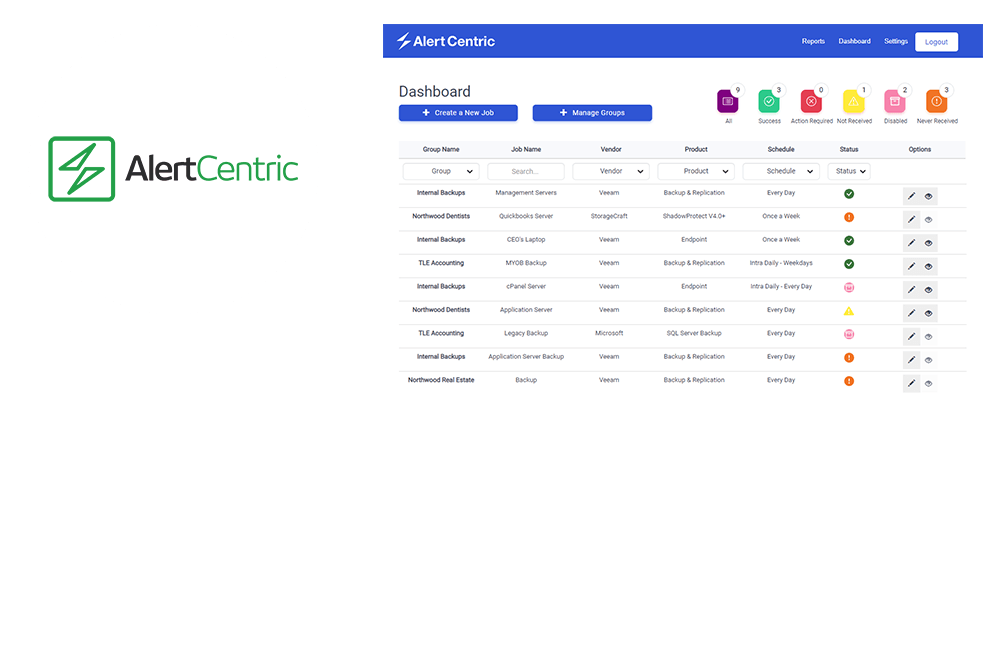
Backup monitoring software is a specialized tool designed to oversee the backup processes within an organization. These tools perform continuous surveillance of backup activities, ensuring they are executed as planned and identifying any anomalies or failures in real-time. This proactive approach to data security helps prevent data loss and facilitates a swift response to any issues that arise.
Key Functions of Backup Monitoring Software
- Real-time Monitoring: Continuously tracks backup processes to ensure they are completed successfully and on schedule.
- Alert Notifications: Provides instant alerts in case of backup failures, allowing for immediate corrective actions.
- Reporting and Analysis: Generates detailed reports on backup activities, offering insights into potential vulnerabilities.
- Automated Remediation: Some advanced systems can automatically resolve minor issues without human intervention.
The Risks of Inadequate Backup Monitoring
Neglecting the importance of effective backup monitoring can result in severe consequences for businesses. Without proactive monitoring, backup failures might go unnoticed until it’s too late, leading to:
- Data Loss: Critical business data could be lost permanently if backups are not completed successfully.
- Operational Downtime: System failures due to incomplete backups can result in significant downtime, affecting productivity.
- Security Vulnerabilities: Unmonitored backup systems can become targets for cyberattacks, as attackers may exploit backup failures.
Benefits of Implementing Backup Monitoring Software
Integrating backup monitoring software into an organization”?s data management strategy offers several advantages, including:
- Enhanced Data Security: By monitoring backups regularly, businesses can quickly identify and address security threats.
- Increased Operational Efficiency: Automated alerts and reports enable IT teams to focus on other critical tasks.
- Regulatory Compliance: Many industries have stringent data protection regulations, and effective monitoring helps ensure compliance.
- Cost Savings: Preventing data loss and system downtime avoids costly recovery procedures and lost business opportunities.
Choosing the Right Backup Monitoring Solution
When selecting a backup monitoring software solution, organizations should consider various factors to ensure it aligns with their specific needs. Key aspects to evaluate include:
- Scalability: The software should be capable of growing with the organization and handling increased data volumes.
- Customizability: Each business has unique backup needs, so customizable alert settings and reporting features are essential.
- Integration Capabilities: The solution should seamlessly integrate with existing IT infrastructure and backup systems.
- User-Friendly Interface: An intuitive interface helps IT teams manage and analyze backup processes efficiently.
Conclusion
In conclusion, backup monitoring software is an indispensable tool in the realm of data security. It not only ensures the reliability and integrity of backup processes but also acts as a frontline defense against potential data breaches and losses. As businesses continue to navigate the challenges of a digital-first environment, investing in robust backup monitoring solutions is essential for safeguarding their most valuable asset: data. Implementing such solutions not only enhances security but also bolsters operational resilience and compliance with data protection standards.