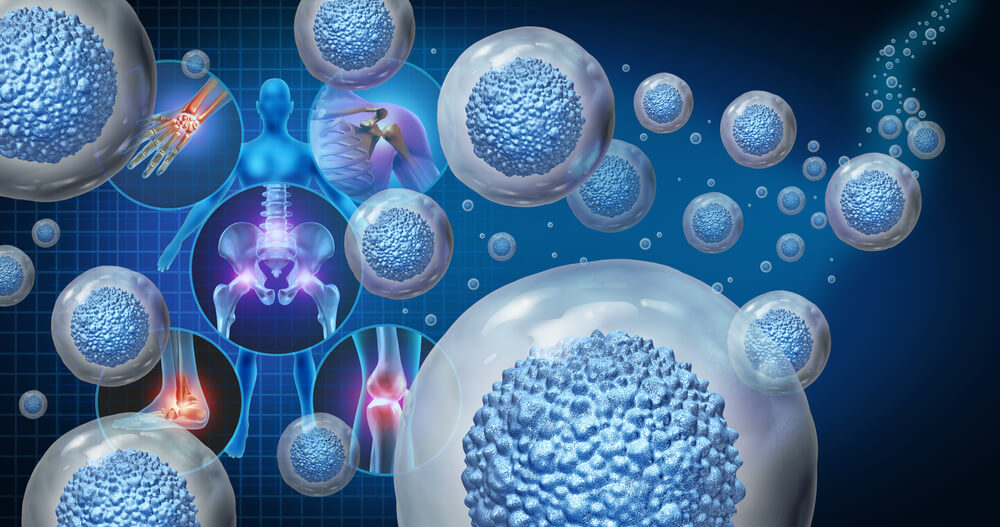
In the ever-evolving field of medical science, regenerative medicine stands as a beacon of hope for many patients worldwide. At the forefront of this cutting-edge discipline is the use of cord stem cells, which have shown tremendous potential in treating various diseases and conditions. Derived from the umbilical cord, these cells are a versatile and valuable resource for researchers and medical professionals aiming to develop innovative therapies. This article delves into the transformative power of cord stem cells and their impact on the future of regenerative medicine.
Understanding Cord Stem Cells
Cord stem cells are extracted from the umbilical cord immediately after birth. These cells are rich in hematopoietic and mesenchymal stem cells, which have the ability to differentiate into various cell types. This unique property makes them a valuable asset in treating a range of medical conditions.
Key Characteristics
- High proliferation rate: Cord stem cells can rapidly multiply, making them ideal for regenerative therapies.
- Low risk of rejection: As they are collected at birth, these cells are less likely to elicit an immune response.
- Ethical sourcing: Harvested from the umbilical cord, their collection poses no harm to the mother or child.
Applications in Regenerative Medicine
Cord stem cells have shown promise in a variety of medical applications, revolutionizing the approach to treatment and recovery in several diseases.
Blood Disorders
One of the most significant applications is in treating blood disorders such as leukemia, anemia, and thalassemia. The ability of cord stem cells to produce new blood cells offers a viable treatment option for patients suffering from these conditions. The successful transplantation of these cells has opened new avenues for curing blood-related ailments.
Neurological Conditions
Research is ongoing to understand the potential of cord stem cells in treating neurological conditions like cerebral palsy and autism. Preliminary studies suggest that these cells can help repair damaged neural tissues, providing hope for conditions that currently have limited treatment options.
Challenges and Future Directions
Despite the immense potential, the use of cord stem cells in regenerative medicine is not without challenges. Ensuring the safety and effectiveness of these therapies requires extensive research and clinical trials.
Regulatory Hurdles
- Approval processes can be lengthy, as regulatory bodies ensure the safety of new treatments.
- Standardizing protocols for collection and preservation to maintain cell viability is crucial.
Future Prospects
The continued advancement in stem cell research promises to expand the therapeutic applications of cord stem cells. Innovations in genetic engineering and biotechnology are likely to enhance their efficacy and applicability. As the understanding of these cells grows, so too does the potential for developing therapies that could revolutionize treatment paradigms.
Conclusion
The power of cord stem cells in regenerative medicine represents a significant breakthrough, offering new possibilities for the treatment of a wide array of conditions. As research progresses and challenges are addressed, the potential for these cells to impact patient care continues to expand. By harnessing the unique properties of cord stem cells, the future of medicine is poised for transformative advancements that could redefine healthcare as it is known today.