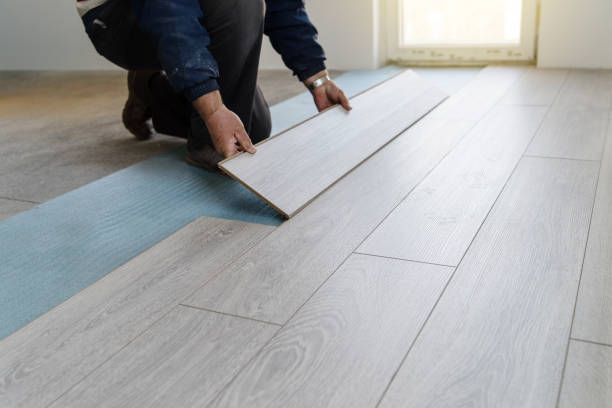
Engineered timber flooring has become a popular choice for homeowners and businesses alike, thanks to its durability, aesthetic appeal, and versatility. Unlike traditional hardwood flooring, engineered timber consists of multiple layers, which enhances its stability and resistance to moisture. This article will delve into the key aspects of engineered timber flooring, including its benefits, installation processes, and maintenance requirements. Whether you are considering a flooring upgrade or are in the early stages of planning a new build, understanding the nuances of engineered timber flooring will help you make an informed decision.
The Benefits of Engineered Timber Flooring
Engineered timber flooring offers several advantages that make it a preferred option for many:
- Stability: The layered construction of engineered timber provides greater resistance to changes in humidity and temperature, reducing the likelihood of warping and swelling.
- Easy Installation: Engineered timber often comes with click-lock or tongue-and-groove systems, simplifying the installation process.
- Aesthetic Variety: Available in a wide range of finishes, textures, and colors, engineered timber can suit various design preferences and styles.
- Environmentally Friendly: Using less hardwood than solid wood flooring, engineered timber is a more sustainable choice.
Installation Methods
Installing engineered timber flooring can be approached in several ways, each with its specific advantages:
Floating Installation
In a floating installation, the panels are connected to each other but not directly attached to the subfloor. This method is quick and cost-effective, making it ideal for DIY projects. Learn more in this detailed guide.
Glue-Down Installation
This method involves adhering the flooring directly to the subfloor with an adhesive. It provides enhanced stability and is suitable for areas with heavy foot traffic. Explore further insights here.
Nail-Down Installation
Although less common for engineered timber, this traditional method involves nailing the flooring directly to a wooden subfloor. It is more labor-intensive but offers a classic look and feel.
Maintenance Tips for Longevity
Proper maintenance can significantly extend the life of engineered timber flooring:
- Regular Cleaning: Use a soft-bristle broom or vacuum with a hardwood floor attachment to remove dirt and debris.
- Avoid Excess Moisture: While engineered timber is more moisture-resistant than solid wood, excessive water can still cause damage. Use a damp mop rather than a wet one.
- Protect from Scratches: Use furniture pads and rugs in high-traffic areas to protect the floor surface.
- Refinishing: Unlike solid wood, engineered timber can only be refinished a limited number of times. Opt for professional refinishing services to ensure quality results. Find additional information here.
Choosing the Right Engineered Timber Flooring
Selecting the right type of engineered timber flooring involves considering several factors:
- Thickness: Choose a thickness that suits your subfloor and the level of foot traffic expected.
- Finish: Opt for a finish that complements your interior design and lifestyle needs, such as matte or glossy.
- Core Layer: A high-quality core layer, typically made of plywood or high-density fiberboard, will enhance the floor’s durability and stability.
For more detailed advice on choosing engineered timber flooring, read more about this topic.
Engineered timber flooring is a versatile and durable choice that can enhance any space with its aesthetic appeal and practical benefits. By understanding the various installation methods, maintenance requirements, and factors to consider when choosing the right flooring, you can ensure a beautiful and long-lasting result in your home or business. For more comprehensive insights and guidance, feel free to explore further insights here.