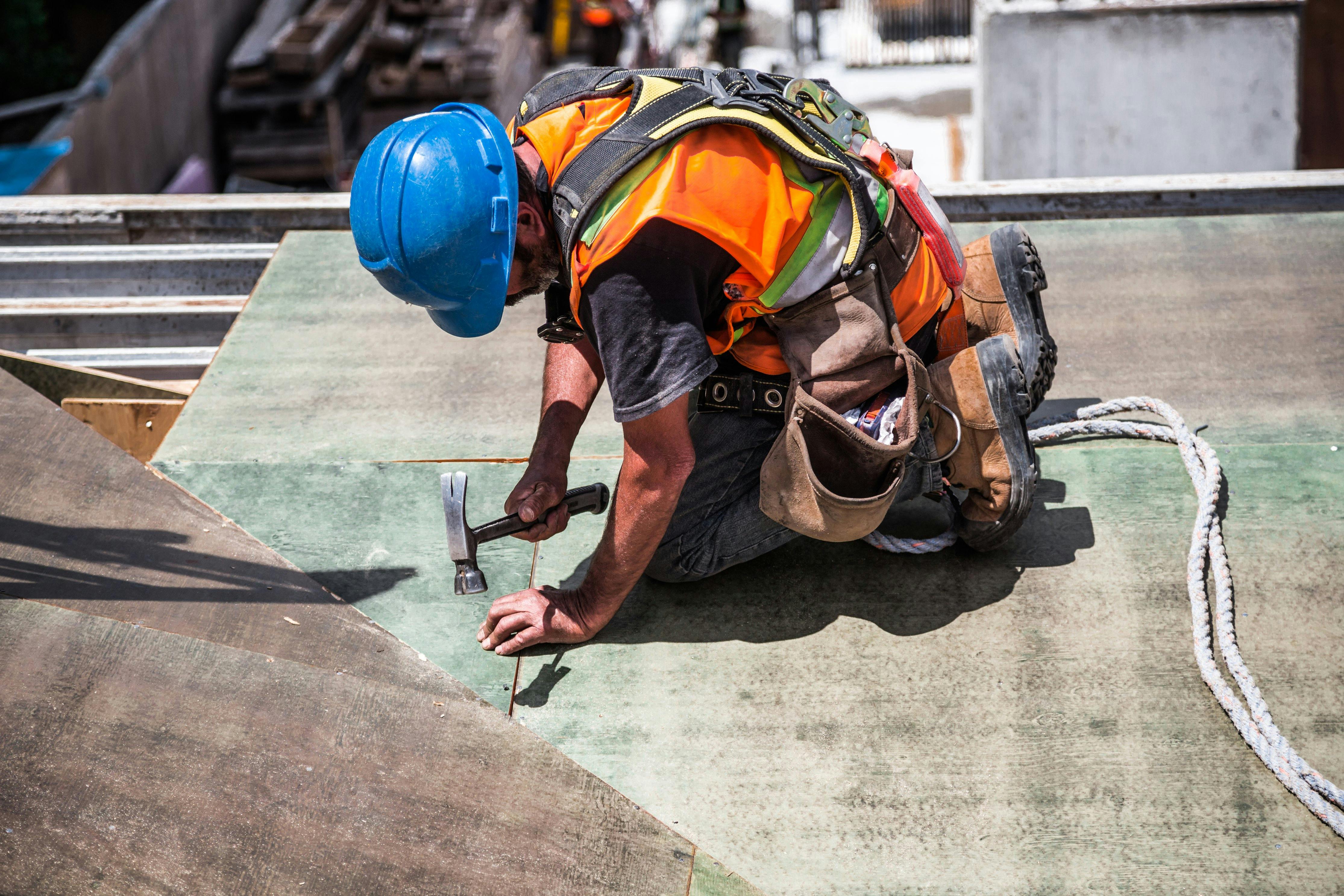
In the realm of commercial construction, selecting the right roofing solution is pivotal for ensuring both the structural integrity and aesthetic appeal of a building. With numerous options available, it can be challenging to determine the best fit for a specific project. This article delves into the top five roofing solutions for commercial buildings, each offering unique advantages suited to different needs and environments. Whether aiming for durability, sustainability, or cost-efficiency, these roofing solutions provide robust options tailored to diverse commercial requirements.
1. Built-Up Roofing (BUR)
Built-Up Roofing, commonly known as BUR, is a traditional roofing solution that has been a staple in commercial roofing for decades. Its layered composition makes it a reliable choice for buildings exposed to harsh weather conditions. Here are the key benefits:
- Composed of multiple layers of bitumen and reinforcing fabrics, providing exceptional durability.
- Offers excellent waterproofing capabilities.
- Known for its longevity, often lasting 20 to 30 years with proper maintenance.
- Ideal for flat and low-slope roofs.
For those considering BUR, discover expert strategies here to enhance the effectiveness of this traditional approach.
2. Metal Roofing
Metal roofing has gained popularity in the commercial sector due to its durability and sleek appearance. This option is particularly beneficial for large-scale buildings. Consider the following advantages:
- Exceptional lifespan, often exceeding 50 years.
- Highly resistant to fire, wind, and impact.
- Reflective surfaces contribute to energy efficiency by reducing cooling costs.
- Available in various materials such as aluminum, steel, and copper.
For those interested in metal roofing, learn about our tailored solutions to maximize its benefits in commercial settings.
3. Thermoplastic Polyolefin (TPO) Roofing
TPO roofing is a single-ply membrane known for its energy efficiency and ease of installation. It is increasingly favored in commercial applications for the following reasons:
- Offers high resistance to pollutants and UV exposure.
- Reflective surface aids in reducing energy costs.
- Cost-effective and relatively easy to install.
- Environmentally friendly, as it can be recycled.
To explore the benefits of TPO roofing further, explore advanced guides and tips that detail its application and maintenance.
4. EPDM Roofing
Ethylene Propylene Diene Monomer (EPDM) is a versatile rubber roofing solution known for its resilience. It is particularly suited for various climates, making it a popular choice. Key benefits include:
- Highly durable with a lifespan of 20 to 30 years.
- Excellent resistance to ozone, UV rays, and weathering.
- Offers flexibility, making it suitable for a variety of roof shapes.
- Easy to repair and maintain.
For a deeper understanding of EPDM’s advantages, find out more about this approach to ensure optimal performance.
5. Green Roofing
Green roofing, also known as living roofs, integrates vegetation into the roofing system, offering both aesthetic and environmental benefits. This innovative approach provides:
- Enhanced energy efficiency through natural insulation.
- Improved air quality and urban biodiversity.
- Reduction in stormwater runoff and urban heat island effect.
- Increased roof lifespan by protecting the underlying material.
To understand how green roofing can transform commercial spaces, explore advanced guides and tips for successful implementation.