In the quest for comfort and luxury in home design, heated bathroom floors have emerged as a popular choice for many homeowners. The gentle warmth underfoot not only enhances the bathing experience but also contributes to a more energy-efficient home. Understanding the mechanics and benefits of these heating systems can help in making informed decisions for bathroom renovations. This article will delve into the intricacies of bathroom floor heating systems, providing valuable insights and guidance.
Understanding Bathroom Floor Heating Systems
Bathroom floor heating systems, often referred to as radiant floor heating, use either electric cables or water-filled tubes to heat the floor from beneath. This process efficiently warms the entire room, providing consistent and comfortable heat. Here are the main types of systems used:
- Electric Radiant Flooring: Utilizes electric cables installed beneath the floor tiles. This method is ideal for smaller spaces and provides rapid heating.
- Hydronic Systems: Use hot water circulated through tubes under the floor. While more complex to install, they are cost-effective for larger areas due to their energy efficiency.
Benefits of Heated Bathroom Floors
There are numerous advantages to incorporating heated floors into a bathroom design:
- Enhanced Comfort: No more cold tiles on winter mornings. The warmth provided by a heated floor adds a touch of luxury.
- Energy Efficiency: These systems can be more efficient than traditional heating methods because they distribute heat evenly.
- Versatility: Suitable for a variety of flooring materials including tile, stone, and laminate.
- Improved Air Quality: Unlike forced-air systems, radiant heating doesn?t circulate dust and allergens.
For those interested in the specifics of installation and the potential benefits, find out more about this approach to upgrading bathroom spaces.
Installation Considerations
Choosing the Right System
Selecting the appropriate system depends on various factors such as budget, bathroom size, and existing heating systems. It is crucial to evaluate:
- Budget: Electric systems tend to be less expensive upfront but may have higher operational costs. Hydronic systems, while costlier to install, can be cheaper to run over time.
- Bathroom Size: Small bathrooms may benefit more from electric systems due to quicker heating times.
- Existing Heating: If integrating with an existing boiler system, a hydronic system might be the better choice.
To explore advanced guides and tips on selecting and installing the right system, discover expert strategies here.
Professional Installation
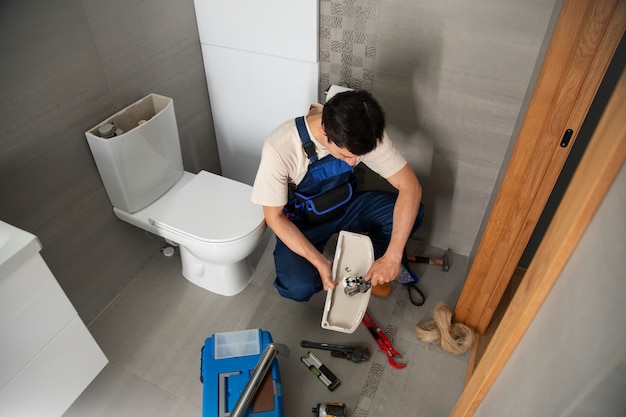
While DIY installation is possible, professional installation ensures that the system is correctly set up and optimized for performance. Professionals can:
- Ensure proper insulation for maximum efficiency.
- Calibrate the thermostat for optimal comfort.
- Integrate the system seamlessly with existing home infrastructure.
For more detailed insights and tailored solutions, learn about our tailored solutions to heating systems.
Conclusion
Heated bathroom floors bring a level of comfort and efficiency that traditional heating systems often cannot match. By understanding the different types of systems, their benefits, and the considerations for installation, homeowners can make informed decisions that enhance both the comfort and value of their homes. For those looking to delve deeper into the world of radiant floor heating, explore advanced guides and tips to ensure a warm and welcoming bathroom environment.