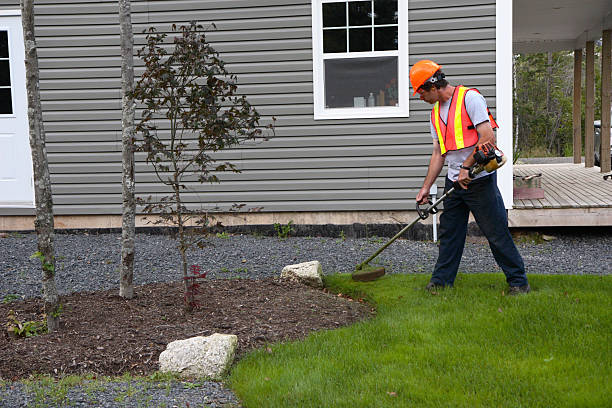
Finding a reliable landscaping contractor on the Mornington Peninsula can feel like searching for a needle in a haystack, especially when the local climate, soil conditions, and design trends are constantly evolving. Homeowners and business operators alike need a partner who not only understands the unique challenges of the region but also delivers consistent quality, transparent communication, and sustainable practices. This guide breaks down the essential steps to identify trustworthy professionals, outlines the criteria that separate the best from the rest, and provides practical resources to help you make an informed decision.
Why Choosing the Right Contractor Matters
Landscaping projects are long-term investments. A well-designed garden can increase property value, improve curb appeal, and create a healthier environment. Conversely, a poorly executed job may lead to costly repairs, invasive weeds, and drainage problems. The Mornington Peninsula’s coastal exposure, varied topography, and native flora demand expertise that goes beyond generic lawn care.
Key Benefits of a Professional Approach
- Site-specific design: Tailored plans that respect local micro-climates and soil types.
- Regulatory compliance: Knowledge of council permits, erosion control, and water-use regulations.
- Long-term maintenance: Sustainable planting schemes that reduce water consumption and maintenance costs.
- Quality assurance: Access to reputable suppliers and industry-standard workmanship.
Steps to Identify Reliable Landscaping Contractors
1. Research Local Reputation
Start by gathering a list of contractors who operate within the Peninsula. Online reviews, community forums, and local business directories are valuable sources. Pay attention to recurring themes in feedback, timeliness, professionalism, and after-care service are strong indicators of reliability.
2. Verify Credentials and Experience
Look for the following qualifications:
- Valid contractor’s licence issued by Victorian authorities.
- Membership in industry bodies such as the Australian Institute of Landscape Architects (AILA) or Master Landscapers Association.
- Evidence of completed projects similar in scale and style to your vision.
3. Request Detailed Quotations
A transparent quote should break down labor, materials, plant selections, and any site-specific preparations. Avoid contractors who provide vague, lump-sum figures without itemised costs. Comparing multiple quotes helps you gauge market rates and spot potential hidden fees.
4. Assess Communication and Professionalism
Responsive communication is a hallmark of a dependable contractor. During initial consultations, note whether they listen to your ideas, ask clarifying questions, and provide clear timelines. Professionalism also includes presenting a written contract that outlines scope, payment schedule, warranty terms, and dispute-resolution procedures.
5. Review Portfolio and References
Examine before-and-after photos of recent projects. A strong portfolio demonstrates versatility and an eye for detail. Ask for references and follow up with past clients to learn about the contractor’s reliability, workmanship, and post-completion support.
What to Expect from a Quality Landscaping Service
Beyond planting and hardscape installation, a comprehensive service includes site analysis, design drafting, project management, and ongoing maintenance plans. Many reputable firms also offer sustainable solutions such as rainwater harvesting, native plant integration, and soil health assessments.
- Site analysis: Soil testing, slope assessment, and sunlight mapping.
- Design drafting: Detailed plans with 3-D visualisations to help you envision the final outcome.
- Project management: Coordination of trades, scheduling, and quality checks.
- Maintenance packages: Seasonal pruning, fertilisation, and irrigation system servicing.
For a deeper dive into strategic landscaping approaches, Discover expert strategies here. The resource outlines advanced planning techniques that align with the Peninsula’s environmental considerations.
Choosing Sustainable Practices
Eco-friendly landscaping not only protects the local ecosystem but also reduces long-term operating costs. Look for contractors who incorporate:
- Native plant species that require minimal irrigation.
- Permeable paving to improve stormwater infiltration.
- Organic mulches and compost to enhance soil health.
- Solar-powered lighting and efficient irrigation controllers.
To explore how these practices can be integrated into a residential or commercial project, Learn about our tailored solutions. The guide provides actionable steps for creating resilient outdoor spaces.
Budgeting and Financing Options
Understanding the financial side of landscaping helps prevent surprise expenses. Consider the following budgeting tips:
- Set a realistic scope: Prioritise essential elements first, hardscape, drainage, and primary planting.
- Allocate a contingency fund: Reserve 10-15% of the total budget for unforeseen issues.
- Explore financing: Some contractors partner with local banks to offer low-interest payment plans.
- Factor in maintenance: Ongoing care costs should be part of the initial financial plan.
For a comprehensive financial overview, Explore advanced guides and tips. This resource breaks down cost drivers and offers strategies to maximise value.
Final Checklist Before Signing a Contract
- Verified licence and insurance documents.
- Clear, itemised quotation with payment milestones.
- Written contract covering scope, timeline, warranties, and termination clauses.
- Portfolio of recent, relevant projects.
- References from at least two past clients.
- Evidence of sustainable practices and compliance with local regulations.
When all these elements align, confidence in the contractor’s ability to deliver a high-quality, lasting landscape increases dramatically. For additional guidance on evaluating proposals, Find out more about this approach. The article offers a step-by-step framework that can be applied to any project size.
Conclusion
Choosing a reliable landscaping contractor on the Mornington Peninsula requires diligent research, clear communication, and an eye for sustainability. By following the structured steps outlined above, checking credentials, reviewing portfolios, demanding transparent quotes, and confirming post-project support, homeowners can secure a partner who transforms outdoor spaces into functional, beautiful, and environmentally responsible assets. Investing time in the selection process not only safeguards your budget but also ensures that the final landscape will thrive for years to come.