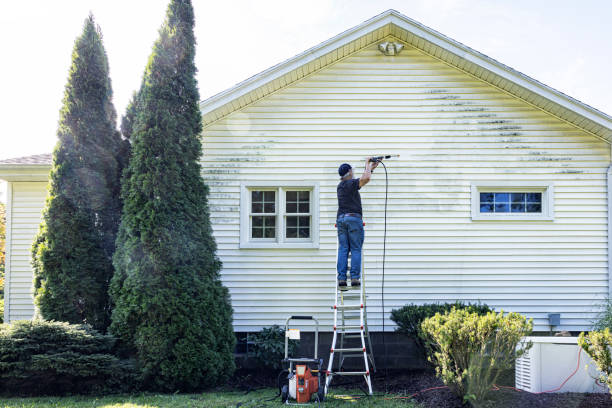
When a property on the Gold Coast needs a fresh, clean look, the terms “pressure cleaning” and “pressure washing” often appear in the same conversation. While they may sound interchangeable, subtle differences in technique, equipment, and application can affect results, longevity, and even the health of the surfaces being treated. Understanding these distinctions helps homeowners, property managers, and commercial operators choose the right service for decks, driveways, facades, and industrial equipment, ensuring optimal performance and cost-effectiveness.
Defining the Terms
Pressure Cleaning
Pressure cleaning typically refers to the use of a high-pressure water stream to remove stubborn grime, oil, and biological growth from hard surfaces. The process often incorporates specialized detergents or chemicals that are activated by the force of the water, breaking down contaminants that plain water alone cannot tackle.
Pressure Washing
Pressure washing, on the other hand, emphasizes the mechanical action of water at lower pressures combined with a broader range of cleaning solutions. This method is especially suited for delicate surfaces where excessive force could cause damage, such as painted wood, certain types of siding, or historic masonry.
Key Differences in Practice
- Water Pressure Levels: Pressure cleaning generally operates at 2,000-4,000 PSI (pounds per square inch), while pressure washing stays below 2,000 PSI to protect softer materials.
- Equipment: Pressure cleaning equipment often includes hot-water units and rotary nozzles for deep penetration; pressure washing tools are usually cold-water pumps with adjustable nozzles.
- Cleaning Agents: Detergents used in pressure cleaning are stronger and may be alkaline or acidic, tailored to dissolve oil and grease. Pressure washing relies more on mild soaps and environmentally-friendly cleaners.
- Surface Suitability: High-impact pressure cleaning is ideal for concrete driveways, industrial floors, and heavily soiled metal. Pressure washing is better for painted surfaces, wooden decks, and delicate architectural features.
- Safety Considerations: Higher pressures demand greater protective gear and training to avoid injury or surface erosion; lower-pressure washing reduces these risks.
When to Choose Pressure Cleaning on the Gold Coast
For properties that face frequent exposure to salt-spray, sand, and oil residues, common in coastal environments, pressure cleaning Gold Coast offers the power needed to strip away layers of buildup without excessive scrubbing. Typical scenarios include:
- Concrete patios and pool decks clogged with algae and mineral deposits.
- Commercial vehicle bays where grease and oil accumulate rapidly.
- Industrial equipment that requires regular de-contamination to maintain performance.
When Pressure Washing Is the Better Option
Properties that prioritize surface preservation, such as heritage homes, newly painted exteriors, or wooden verandas, benefit from the gentler approach of pressure washing Gold Coast. Ideal applications include:
- Exterior walls with delicate finishes or soft-stone cladding.
- Wooden decks that need mold removal without splintering the timber.
- Outdoor furniture and decorative elements that could be warped by high pressure.
Environmental and Cost Considerations
Both methods can be environmentally responsible when proper water reclamation and biodegradable detergents are used. However, the higher energy consumption of hot-water pressure cleaning may lead to slightly increased operational costs. Homeowners should weigh the immediate cleaning effectiveness against long-term maintenance needs.
Choosing the Right Service Provider
Professional service providers on the Gold Coast differentiate themselves through certification, equipment maintenance, and a clear understanding of local climate challenges. When evaluating a contractor, look for evidence of:
- Experience with both high pressure cleaning Gold Coast and low-pressure washing techniques.
- Transparent pricing structures that separate labor, equipment, and chemical costs.
- Safety protocols, including PPE usage and surface protection measures.
- Positive client testimonials that reference specific surface types and outcomes.
Maintenance Tips After Cleaning
Regardless of the method chosen, extending the life of a cleaned surface involves regular upkeep:
- Apply sealants or protective coatings to concrete and stone after pressure cleaning.
- Schedule gentle pressure washing every 6-12 months for painted surfaces to prevent staining.
- Inspect for water-infiltration points, especially after high-pressure jobs, and address them promptly.
- Use soft-bristle brushes for spot-cleaning minor stains between professional sessions.
Conclusion
Understanding the nuanced differences between pressure cleaning and pressure washing enables property owners on the Gold Coast to make informed decisions that protect both the aesthetic and structural integrity of their assets. By matching the appropriate technique to the surface, considering environmental impact, and selecting a qualified service provider, the result is a cleaner, longer-lasting property that stands up to the region’s unique weather challenges.